
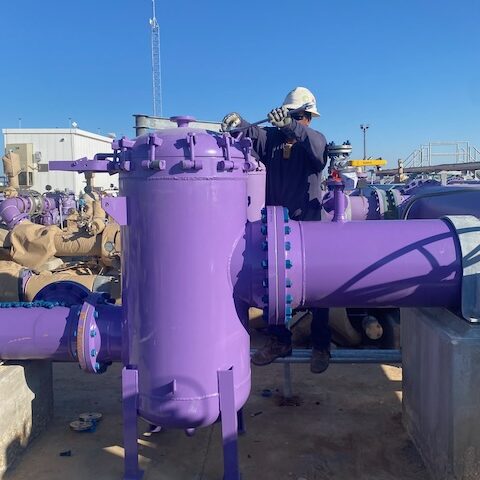
Planning a Midstream Turnaround: How Scope Discipline Protects Your Schedule
A turnaround is the most schedule-sensitive work a midstream facility does. The facility comes offline, a compressed window opens, and a year of deferred maintenance and capital work has to be executed before it comes back. Every hour counts, and the schedule is set long before the first crew arrives.
Overruns come from scope, not effort
When a turnaround runs long, the cause is rarely that the crews worked too slowly. It is that the scope was not locked, the sequencing was not planned, or work was discovered mid-outage that should have been identified ahead of time. Scope creep is the enemy of the schedule, and it is defeated before the facility goes down, not during.
Planning is the work
The planning phase decides the outcome. What is in scope, what is explicitly out, the order operations run in, where crews hand off, what materials and equipment stage in advance, and what contingency exists if something is found behind a flange. A turnaround that is well planned executes almost quietly. A poorly planned one improvises, and improvisation costs days.
Sequencing and disruption
Minimal operational disruption is a function of sequencing. The right order of work keeps crews from waiting on each other, keeps the critical path clear, and keeps the facility’s return-to-service date intact. When multiple disciplines are working in a compressed window, sequencing is what separates coordinated execution from a traffic jam.
Execution that brings it back on time
ProTorque Midstream supports turnarounds and outages from planning through execution. Our crews plan the scope, sequence the work, and execute to bring the facility back online on schedule. The objective is the one every operator shares: the facility comes back when it was supposed to, with the work done right, and the next run is cleaner because this one was planned.