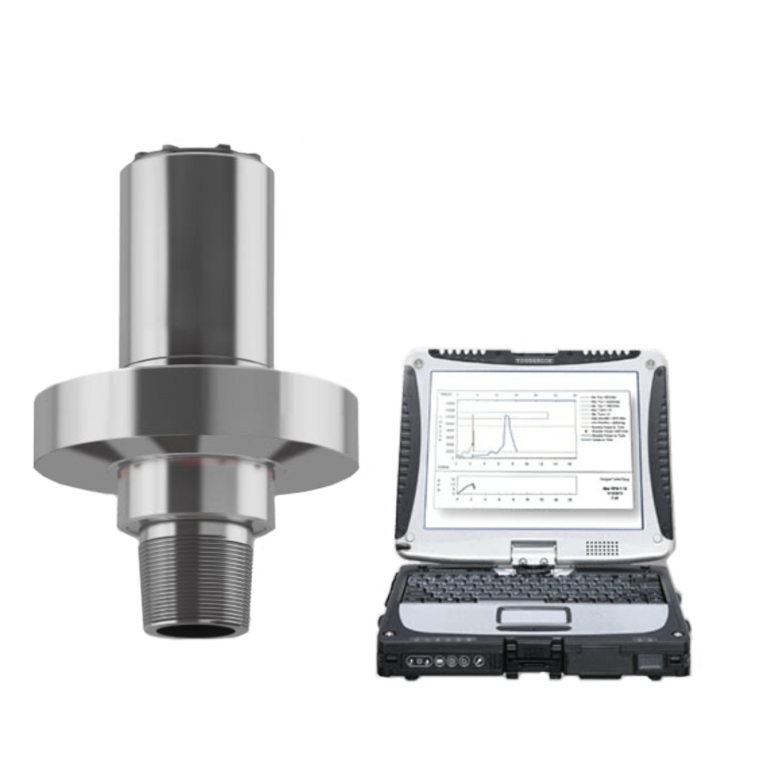
Hook Load + Torque Verification
Keep Your Top Drive and Iron Roughneck Honest
Why verification matters
On a modern rig, decisions happen fast. Crews make calls based on numbers they trust: torque values, hook load, and iron roughneck torque, at the driller’s console.
The problem is simple. Sensors and systems can drift over time. Components wear. Calibration can change after repairs. Software updates and configuration changes can introduce small offsets that turn into big issues once variables stack up.
Most of the time, the rig still runs. That is what makes drift dangerous. It does not always cause an obvious failure. It quietly changes the relationship between what the rig thinks is happening and what is actually happening.
Verification brings everything back to reality.
What can go wrong when numbers drift
The impacts show up first where execution matters.
- Connection risk increases
When torque values are off, you can over or under torque a connection which can cause damage and reduce sealing reliability. Either way, you introduce avoidable risk and into the well and expensive repair costs. - Drilling performance data becomes less useful
All rigs rely on torque and hook load trends to spot developing problems. If the baseline is wrong, the trend becomes harder to interpret, and decision-making slows down when it should speed up. Drilling operators also rely on torque and weight on bit to optimize drilling programs. - Equipment wear accelerates
Over-torquing, unnecessary load cycling, and operating outside intended ranges all shorten equipment life. It also creates a maintenance cycle that feels random, because the root cause is hidden in the data. - Troubleshooting gets slower
When teams do not trust the readings, they troubleshoot the hard way. More calls, more second guessing, and more delays. Teams might not realize their is an issue.
Critical readings ProTorque verifies on the rig
This work is rig equipment verification focused on the measurements that drive high-consequence decisions.
Top Drive Torque Verification
We confirm that displayed torque matches measured torque and document a baseline your team can trust. When you pair accurate readings with digital monitoring like CATM, the output becomes much more valuable because your graphs and reports are built on good data.
Iron Roughneck Torque Testing
Iron roughnecks do high-consequence work every day. Iron roughneck torque testing confirms the unit is delivering what it reports, in both make-up and break-out contexts, so connection outcomes stay consistent.
Hook Load Verification
Hook load accuracy matters for safe lifting, drilling consistency, and data confidence. Hook load verification confirms that what you see on the system reflects the real load on the travelling assembly.
What verification looks like on location
Verification should be practical and fast. The goal is not to create paperwork. The goal is to confirm the rig is telling the truth.
Typically, it looks like a short pre-job review of recent maintenance and current readings, followed by field setup and measurement, then a comparison to displayed values and a documented summary. If an offset is found, that is still a win. You now have facts, and a clear path to correction.
When to schedule verification
Verification is most valuable when it prevents problems, not when it reacts to them.
Most operators schedule it after major maintenance, before high-consequence casing or completions work, when behaviour on the floor no longer matches what the screens are reporting, or after long periods of rig inactivity. For operators running multiple rigs, consistent verification also supports standardization across fleets, which improves drilling reliability when crews and equipment rotate.
Why this supports safety, reliability, and uptime
This is not a paperwork exercise. It is a safety and reliability control that protects connections, reduces preventable or hidden downtime, and improves confidence in the numbers used for drilling decisions.
Accurate torque and load readings help teams move faster with fewer surprises, and they reduce the chance of chasing phantom issues that are really measurement problems.
Where ProTorque supports this work
ProTorque supports verification programs across Western Canada, offshore Newfoundland, and the U.S.. The fundamentals are the same whether you are drilling a single well, running a multi-well pad, or performing a reclaim on a slot in a gravity based structure. Accurate inputs create better execution and better outcomes.
Book hook load and torque verification
If you want to confirm your top drive torque, iron roughneck output, and hook load accuracy before your next program, ProTorque can help you establish a baseline your team can trust.
Start here:
Questions we hear in the field
How long does verification take?
It depends on rig access and scope, but it is designed to be efficient and focused on actionable results.
Is verification the same as calibration?
Verification confirms accuracy. Calibration is the adjustment step if accuracy is outside an acceptable range.
How often should we verify?
A good baseline is after major maintenance and before high-consequence programs, then on a planned preventative maintenance schedule.