Bucking:
Make and Break Off the Critical Path
The rig floor is the most expensive place to discover a connection problem. Every make-up performed there happens on the clock, with the critical path waiting behind it, and a connection that fights back costs rig time the moment it does.
Bucking moves that work somewhere better. Connections are made up and broken out under controlled torque, off the critical path, whether that means in the shop before dispatch or on location beside the rig. The distinction that matters is not where the unit sits. It is that the rig is not waiting while the work gets done.
What bucking covers
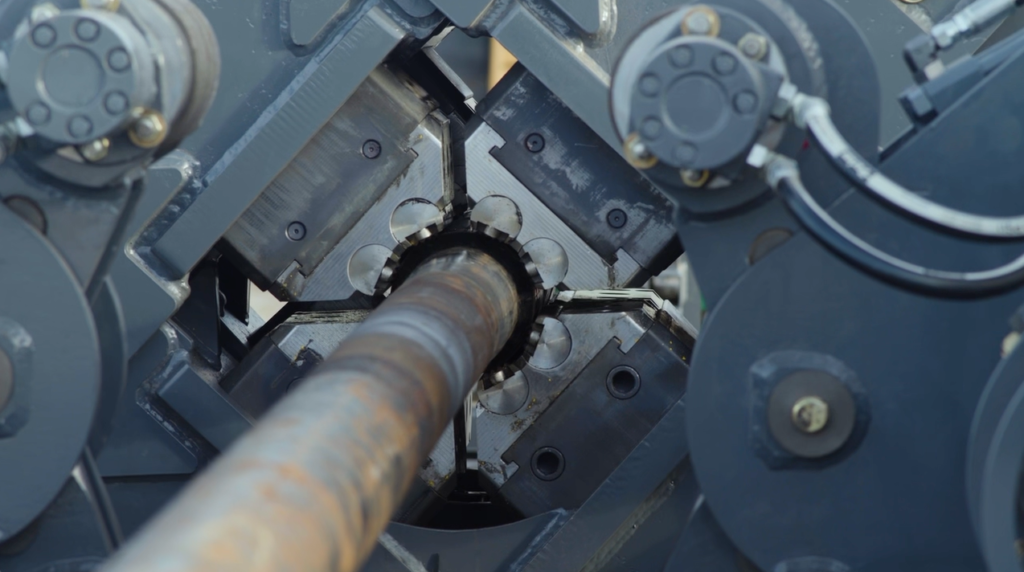
Bucking is the controlled make-up and break-out of threaded connections, with torque applied to spec and the work positioned where a problem costs minutes instead of rig time:
- Casing accessories assembled in advance: float shoes, float collars, pups, hangers, and other threaded tools, made up and ready before the run needs them
- Bottom hole assemblies built offline, in a horizontal position that lets the operator align the connection safely and reduces the chance of damage on make-up or break-out
- Double and triple stands of drill pipe made up ahead of the run to save rig time
- Torque monitoring on every connection, with make-up charts available on site
That last point matters. The value of bucking is not just that the work happens early. It is that every connection cycled through the unit carries a record.
Two units, two jobs
ProTorque runs two bucking configurations, and they cover different work.
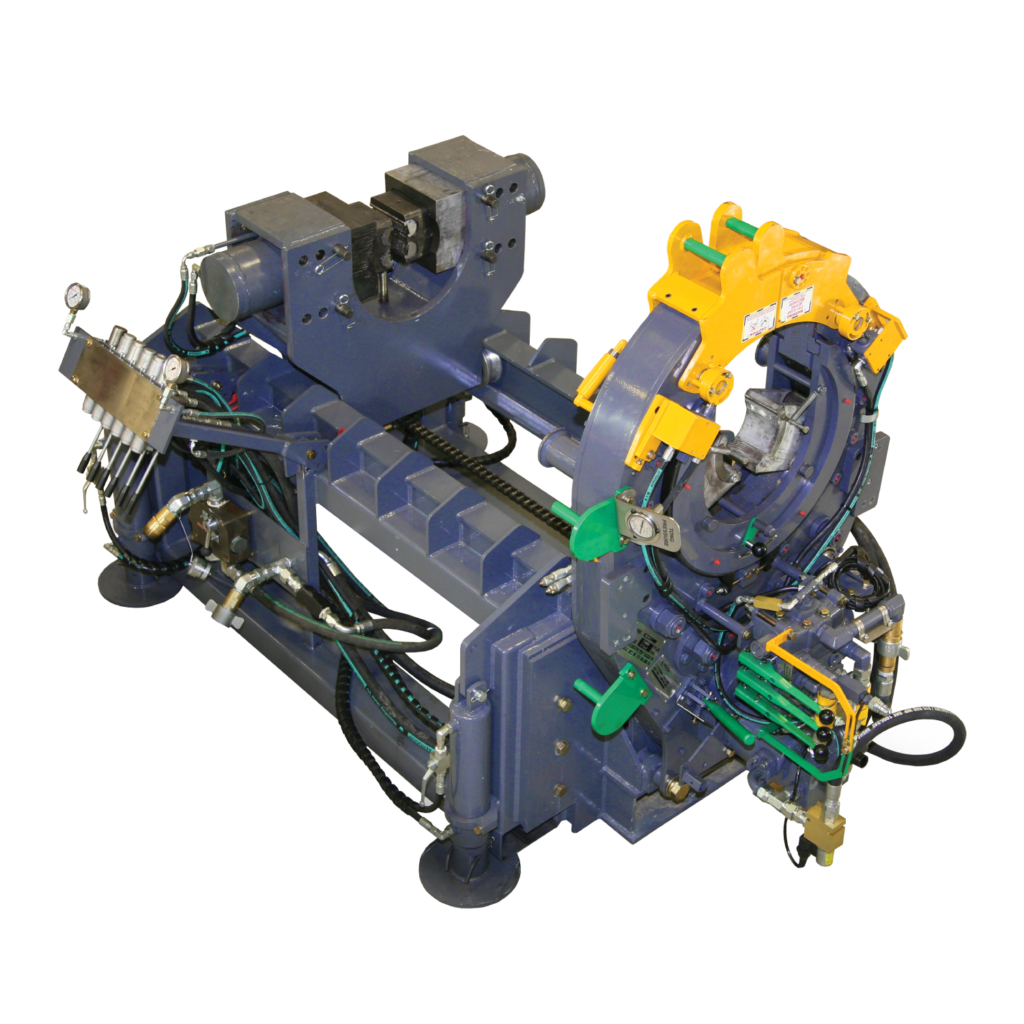
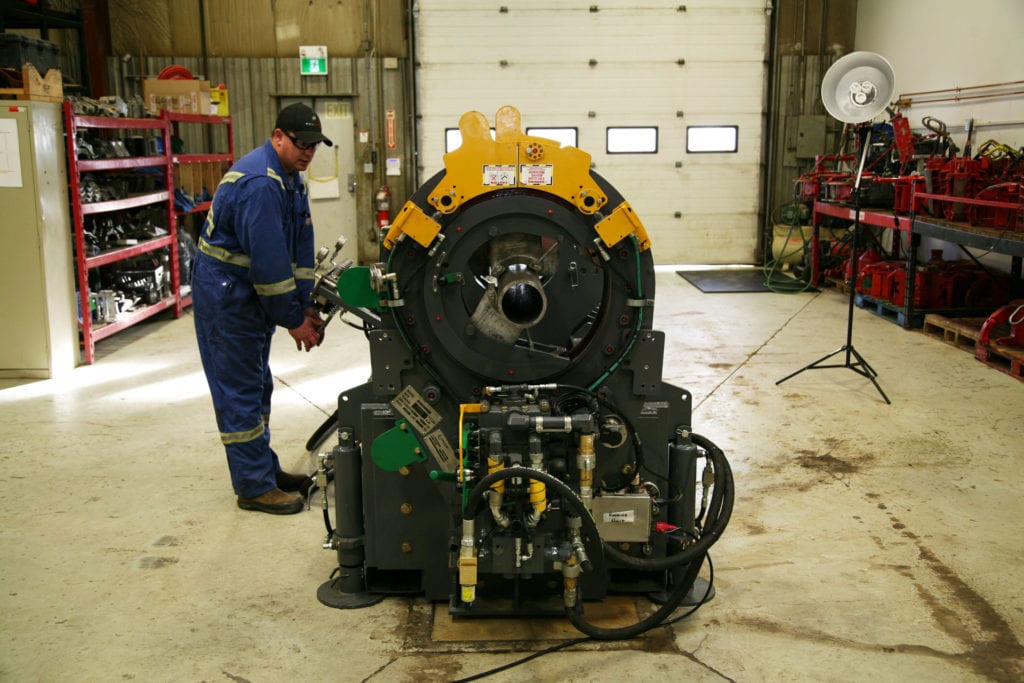
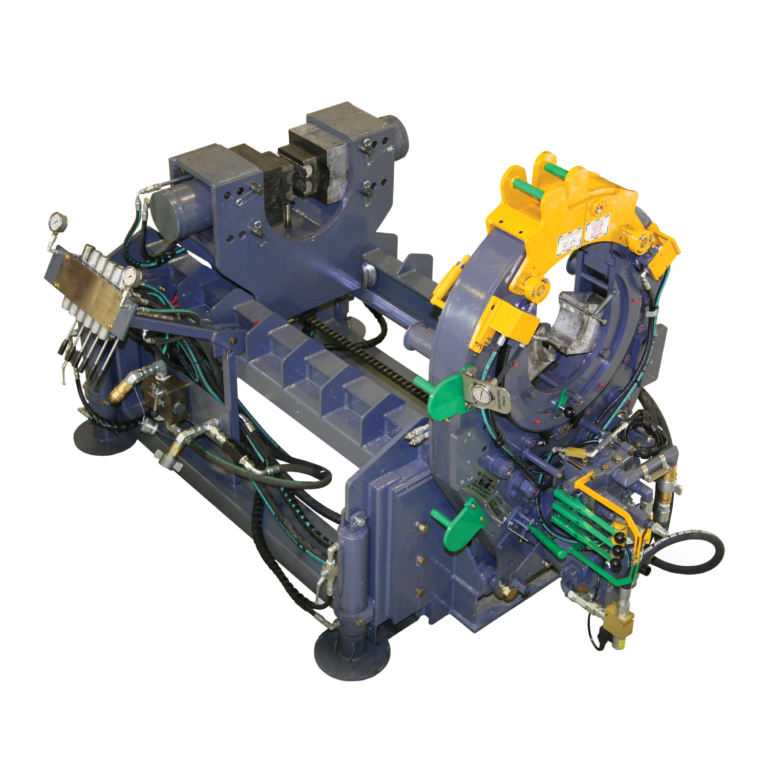
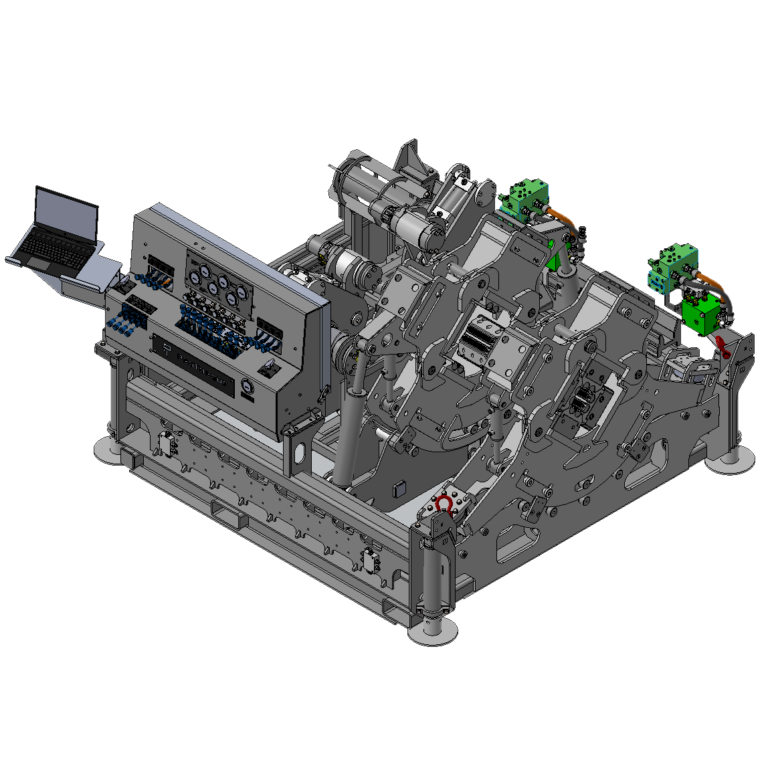
The Mobile Bucking Frame pairs with any power tong and handles the accessory scope: float equipment, pups, hangers, and threaded tools in the casing string, and frac line connections on completions work, at torques up to 50,000 ft-lb. Its compact footprint works in remote locations, and the accessory make-ups it completes are make-ups the rig floor never has to perform.
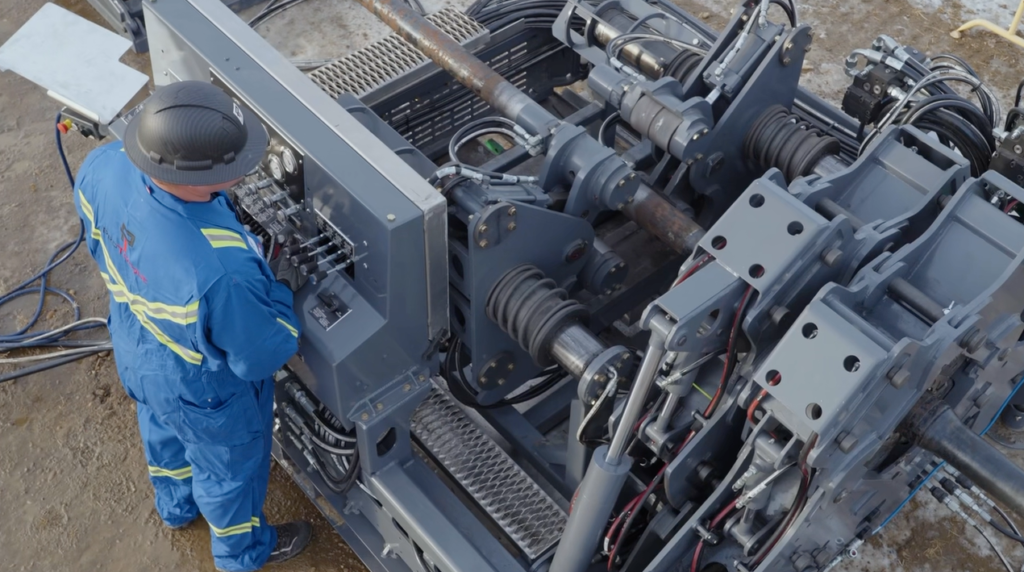
The Mobile BHA Frame brings the capability of a shop bucking unit to the wellsite in one package. A tubular spinner, hydraulic stationary backup, and torque head handle any rotary shouldered connection, on pipe from 4 1/2 to 12 inches, at up to 100,000 ft-lb. Instead of shipping individual components back and forth to a shop, the frame ships to the site and the assembly happens there, offline, off the critical path.
Shop or site, the same discipline
Some programs are best served by connections verified in the shop before anything ships. Others need the capability on location, where the well plan is still moving and the BHA gets built beside the rig. Bucking covers both. What stays constant is the controlled setting, the torque verification, and the record that follows every connection.
Why it pays
The safety case is direct: every make-up completed off the rig floor is one fewer exposure for the crew working on it. The schedule case is just as direct: pre-assembled accessories and stands are rig-floor operations removed from the critical path.
The published numbers make the point. Operators that moved surface casing running offline have documented savings around 11.5 hours per well and another 4.5 hours on offline cementing, and offline stand building has improved run rates by 30 percent or more in documented programs. Set that against a high-spec land rig at north of USD $1,100 an hour, before the spread behind it is counted, and the value of moving make-up off the critical path is not subtle. ProTorque’s own BHA frame has delivered single-application savings of up to 65 percent.
A connection that fails in the bucking unit gets set aside and dealt with on the spot. The same connection failing on the rig floor, or downhole, is a different order of cost.
How ProTorque approaches it
ProTorque runs bucking as part of its tubular programs, in the shop and on location. Connections arrive at the rig floor verified, documented, and ready to run.
Made up off the critical path. Proven before the rig needs it. That is the job.
Explore ProTorque’s Bucking services: