RCD Installation Off the Rig Floor
Reduce Handling Risk and MPD NPT
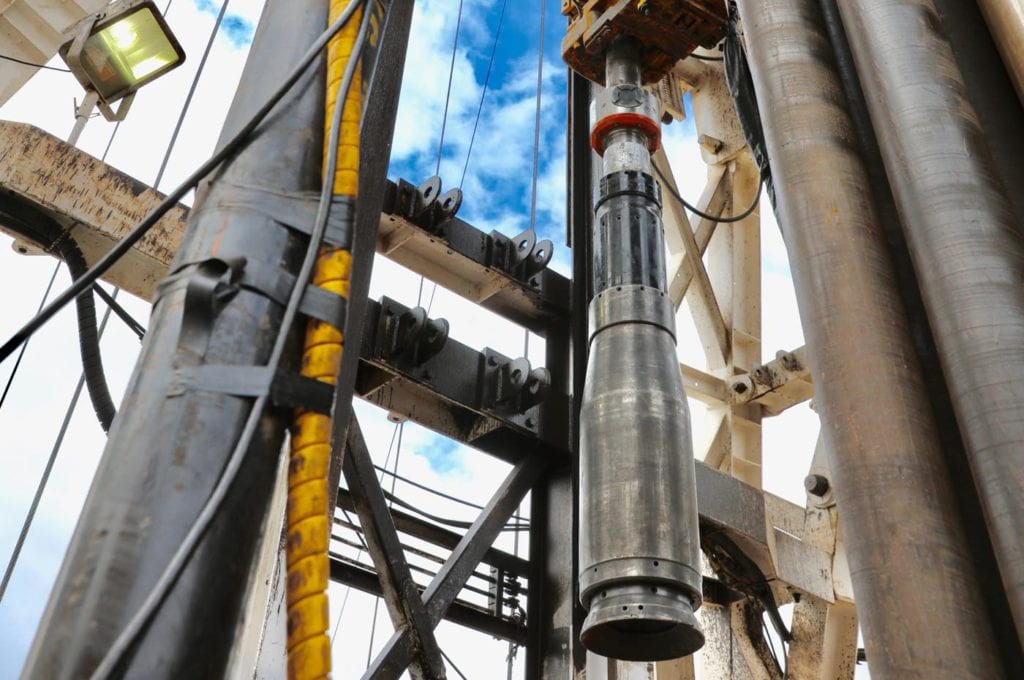
RCD installation is a normal part of many Managed Pressure Drilling programs, but how it is handled can change both risk and cost. Traditionally, installing or removing tubulars onto an RCD head happens on the rig floor. It works, but it often adds congestion, increases manual handling exposure, and creates non-productive time while the rig waits.
Taking this step off the rig floor is a simple workflow shift that can make a measurable difference. The goal is not to change the MPD process, it is to control when and where a high handling task occurs.
Why RCD installs create avoidable exposure
The rig floor is already a high consequence environment. Crews are managing multiple moving parts, multiple lifts, and tight sequencing. Adding an RCD installation step into the critical path can create pinch points and extra handling in a space that is already busy.
This is also where small delays get expensive. When an RCD install holds up the next step, the rig is effectively waiting, and that waiting time becomes MPD non-productive time that is hard to recover later in the day.
What changes when installation is done offline
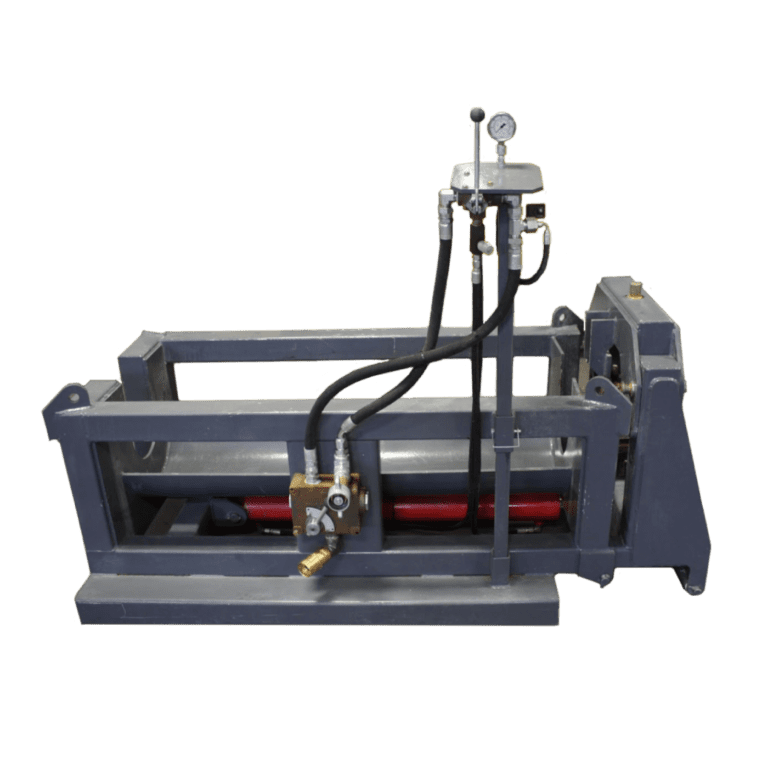
The concept is straightforward. Instead of assembling or installing the RCD head connection on the rig floor, the work is completed in a controlled setup on the ground, outside the critical path. Once the assembly is complete, it is lifted to the rig floor and run as part of the normal sequence.
Done right, the benefits show up quickly:
- Less congestion on the rig floor during a high handling task
- Fewer points where crews need to work around equipment and lifts
- Less idle time while the rig waits for a task that can be completed ahead of time
The RCD Press is designed specifically for this workflow, installing or removing a tubular onto an RCD head offline, instead of completing that step on the rig floor.
If you want the overview of the system and where it fits, you can see it here: RCD Installation
Where the time savings actually show up
Most teams think about time savings as a single number, but on an MPD job it shows up in a few predictable places:
- Waiting time in the sequence, where the next operation cannot begin
- Extra lifts and handling that slow transitions
- Additional coordination time when the floor is congested and crews have to stop and reset
Even when the delay is not dramatic, the compounding effect across a program is real. That is why getting RCD installation off the critical path is valuable. It protects the schedule when the job is moving fast and it protects the crew when the floor is busy.
Onshore and offshore considerations
The value of offline installation is not limited to one environment. Onshore, it often comes down to keeping the rig moving and reducing high handling moments in the critical path. Offshore, it can be even more important because space, lift planning, and risk tolerance are tighter.
The core idea stays the same. Reduce rig floor exposure. Reduce unnecessary time in the critical path. Keep the MPD workflow clean.
How ProTorque supports the workflow
This is where field execution matters. The concept only works if it is applied consistently.
ProTorque supports RCD installation workflows by planning the sequence with the rig team and MPD stakeholders, staging the setup so it does not interfere with operations, and ensuring the assembly is ready before it becomes the next constraint. The goal is to make the install step predictable.
If you are running MPD and want to reduce rig floor handling risk while cutting MPD non-productive time, moving RCD installation offline is one of the simplest workflow upgrades you can make. Contact ProTorque today to see how we can help.
Questions we hear in the field
What does it mean to install RCDs offline
It means completing the tubular to RCD head installation or removal in a controlled setup off the rig floor, then lifting the assembly into the rig sequence when it is ready.
Does this reduce non-productive time
It can, because a step that would normally occur in the critical path is completed ahead of time, reducing waiting and congestion when the rig is ready to move.
Is this only for one type of operation
The workflow applies wherever RCD installation is required and where reducing rig floor handling and idle time is valuable, including both onshore and offshore MPD programmes.