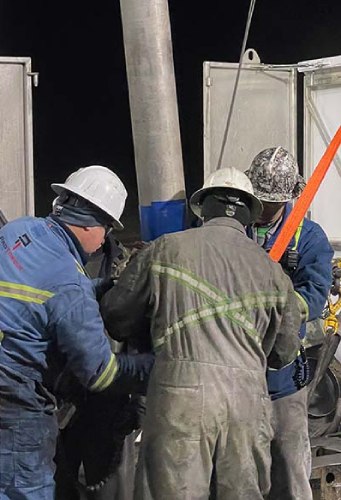
Chrome Casing for CCS: Why Every Connection Gets Graphed

Chrome Casing for CCS: Why Every Connection Gets Graphed

Carbon capture wells are turning into real work. Quest has been injecting north of a million tonnes a year since 2015, and more storage schemes are moving through the regulatory process behind it. For the people planning these wells, one thing is already clear. A CO2 injection well asks more of its casing string than a producer does, and it asks more of the crew that runs it.

Why the string goes chrome

Dry CO2 is easy on steel. Wet CO2 is not. The moment water shows up in the stream, you get carbonic acid, and carbonic acid eats carbon steel. That is why injection strings move to chrome. 13Cr, usually as L80-13Cr, is the workhorse grade for CO2 service, with higher alloys reserved for wells where chlorides, H2S or temperature push past what 13Cr handles.

Material selection for CO2 service is still a moving target, and the design work belongs to the operator’s engineers. But whatever metallurgy the design lands on, the string only performs if every connection goes together right. That part happens on location, joint by joint.

What chrome changes on location

Chrome is less forgiving than carbon steel in every way that matters during make-up. The threads are harder and they gall. Once a 13Cr connection galls, you are not cleaning it up with a wire brush. The joint is damaged, and the seal it depends on may be compromised.

So the whole rhythm of the run changes. Make-up speed comes down. Thread compound gets exact, the right compound applied the right way, not whatever is in the dope bucket. Stabbing gets careful, because chrome punishes cross-threading worse than carbon steel does.

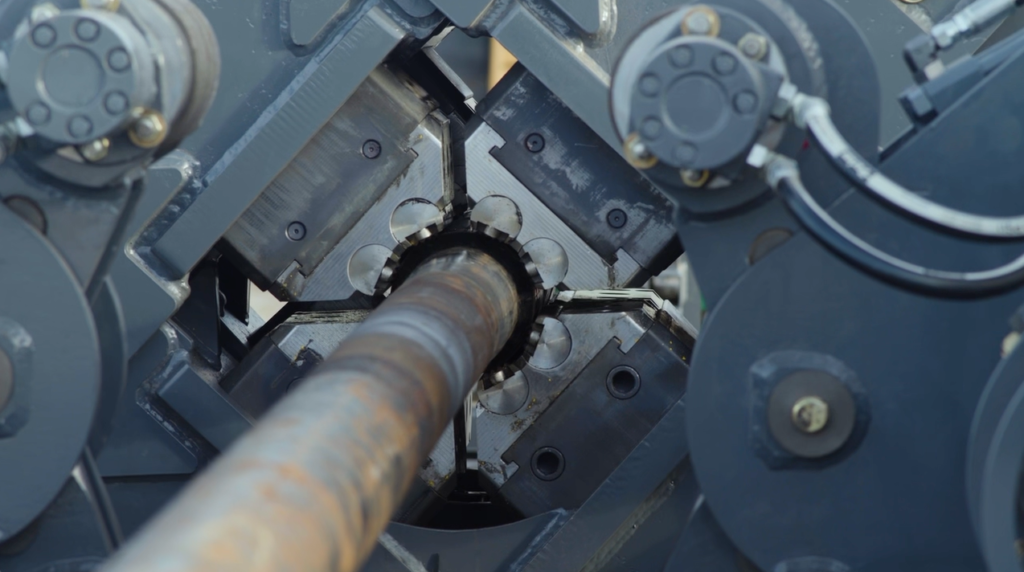
The connection itself is different too. CO2 injection strings run premium connections with machined metal-to-metal seals, qualified for gas-tight service under API RP 5C5. An API thread seals on thread compound. A premium connection seals on machined steel, and the make-up graph tells you whether it sealed. The torque-turn plot shows thread engagement, seal engagement, and a shoulder point that has to land inside a defined window. A trained eye reads that graph and knows whether the joint is good before it goes in the hole.

The record outlives everyone on location

A producer has to hold together for the life of the well. A storage well has to hold, full stop. The regulator expects containment demonstrated from the injection zone to surface across the life of the project, and the paperwork behind that expectation is not optional. In Alberta, Directive 065 governs the storage scheme, Directive 051 covers injection well completion, logging and testing, and CSA Z741 sits behind both as the Canadian storage standard.

There is also the operating environment. CO2 injection can pull wellbore temperatures far below anything a conventional producer sees when pressure moves fast, and the string cycles through more temperature swings over its life. Marginal make-up gets found out in that kind of service.

Put those together and the torque-turn record stops being a nice-to-have. It is the only evidence that each connection was made up to specification, at controlled speed, with the shoulder where it belongs. It goes in the well file, and it may get pulled up decades from now by someone who was not born when the string went in the hole.

Where ProTorque fits

ProTorque has run chrome casing on carbon capture wells with computer-analyzed torque monitoring on every connection and the records handed to the operator. Crews trained for chrome handling, controlled make-up speed, and a graph on every joint.

If a CCS well is in your program, bring the tubular running conversation in at the casing design stage. The standards for this work are being set on the first wells, and the string you run is the one the record has to defend.

CATM: Why Every Connection Should Be Made Up Under Analysis

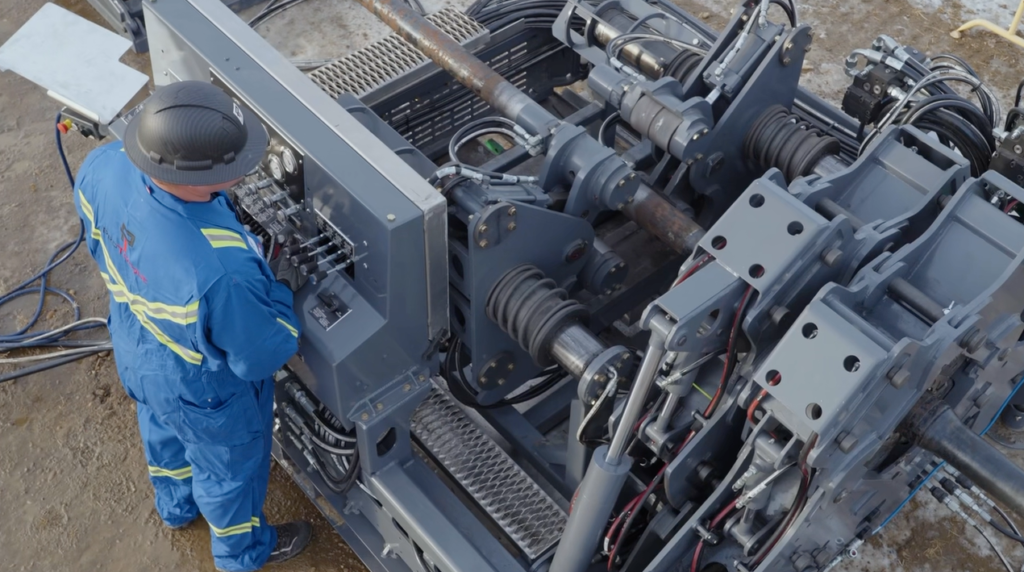
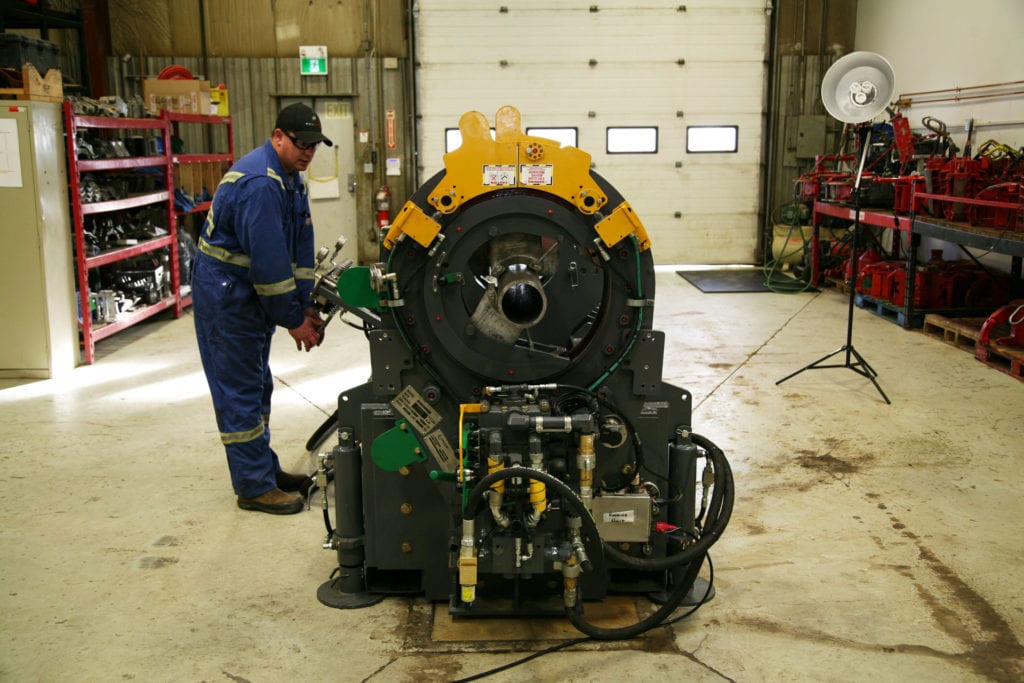
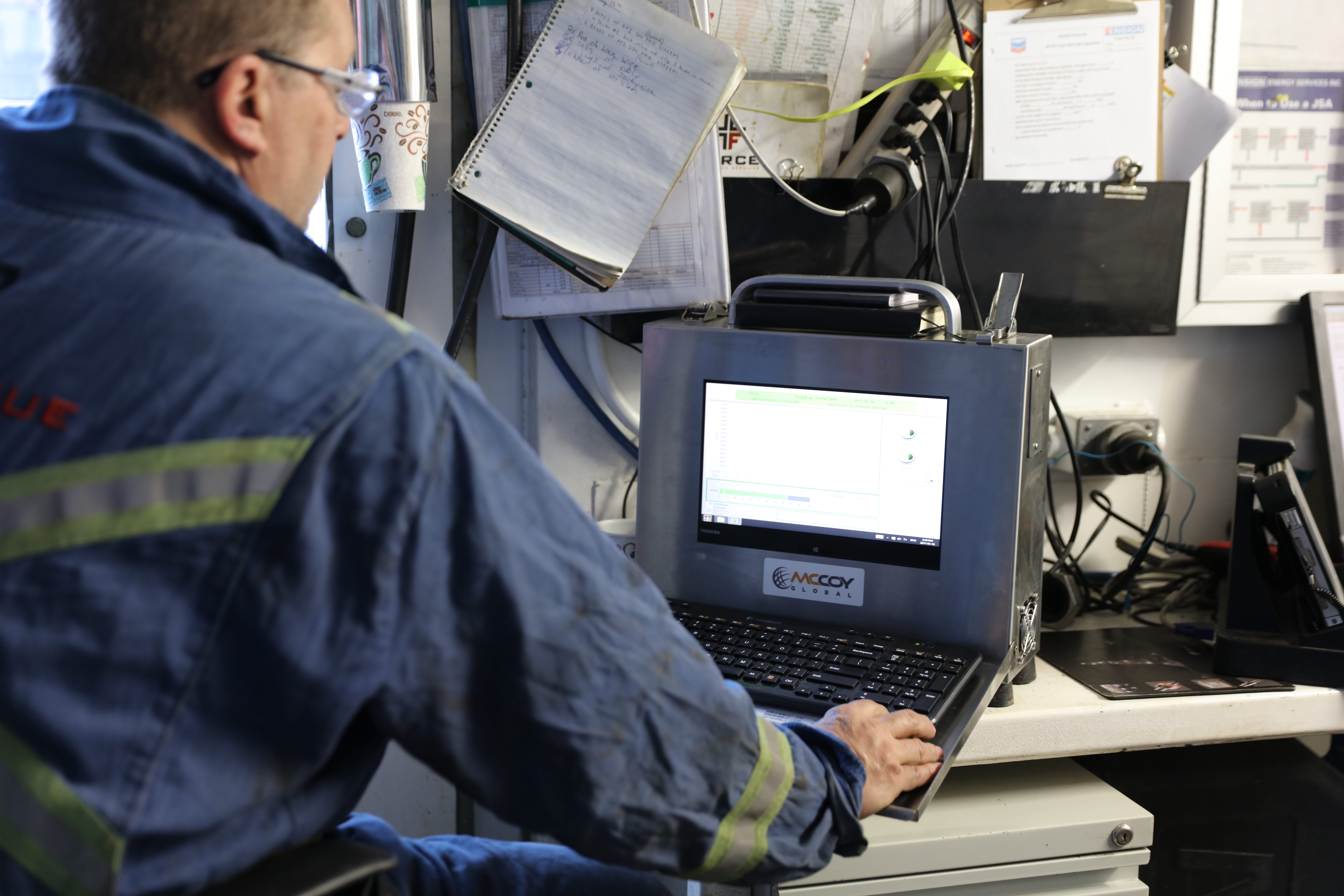
McCoy machine
McCoy machine

Computer Analyzed Torque Monitoring: Why Every Connection Should Be Made Up Under Analysis

A connection can hit its final torque number and still be wrong.

Cross-threading, galling, over-rotation, a shoulder that never seated properly. From the rig floor, all of these can look like a completed make-up. The torque gauge reads what it should. The problem goes in the wellbore, gets cemented in place, and shows up later as a leak path nobody can reach.

This is why ProTorque’s position is that every tubular connection should be made up under computer analysis. Not the critical strings. Not the premium connections only. Every connection.

What the final torque number doesn’t tell you

Final torque is one data point. The story of a make-up is the curve: torque plotted against turns and time, from stabbing to shoulder to final position. A healthy connection draws a recognizable shape. A damaged or misaligned one draws a different shape, even when both end at the same number.

CATM reads that curve in real time. The system tracks torque, turns, RPM, and, when applicable, shoulder data through every make-up, reviews torque against turns and time automatically, and confirms the acceptance criteria for that connection design, shoulder point included where one exists, before the connection is approved. If something is wrong, the make-up is stopped immediately, before the joint goes downhole and while the fix is still a matter of minutes.

The shape depends on the connection. A shouldered premium connection draws the full signature: thread engagement, seal engagement, and a shoulder point that has to land inside a defined window. Wedge-type premium connections make up through thread interference along the whole thread form, so there is no distinct shoulder, and the shape of the curve itself is the evidence. An API connection has no shoulder at all, and the torque and turns record is the only proof its make-up went right. Every design draws a different right answer, and reading the graph starts with knowing which one you are looking at.

Consistency, joint over joint

One good connection proves that connection. A consistent string is the actual goal. CATM overlays each make-up against the previous joints, so drift in the pattern gets caught as it develops rather than discovered in a post-job review. Real-time dump control protects the connection during make-up, cutting hydraulic power within a few hundredths of a second of the target being reached rather than trusting reaction time.

The record that follows the well

Every connection produces a graphical report, backed by statistical analysis and job summary reports. That documentation matters twice. During the job, it is how connection issues get caught and corrected on the spot. After the job, it is the evidence file: proof of what went in the wellbore, connection by connection, that stands up when integrity questions come years later.

And those questions come without warning. A connection gives no sign it is about to leak, and there is no downhole inspection that flags a joint as failing before it does. The make-up record is the only window anyone ever gets into whether the connection went together right.

For completions, this is not paperwork. Connection integrity is what protects packer isolation, and isolation is what keeps the frac where it belongs. The record is the difference between assuming the string is sound and demonstrating it.

The same standard from the top drive

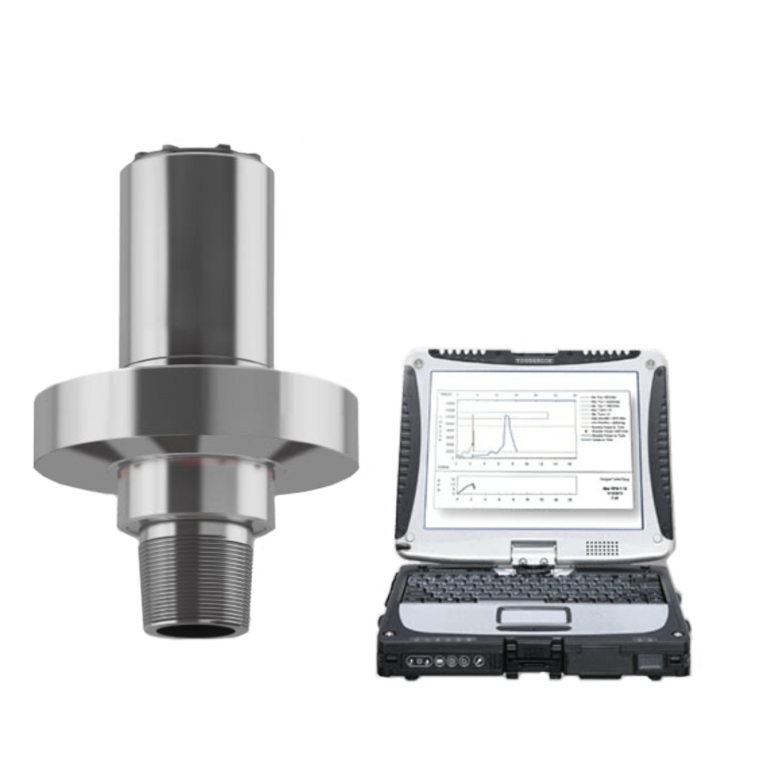
Running casing with a CRT does not mean giving up the analysis. ProTorque’s torque sub monitors the top drive output as it pertains to the connection, torque, RPM, and hookload, and produces the same torque versus turns and time graph a power tong CATM system delivers. While drilling, it even delivers a hookload readout. Rated for hazardous area service and sampling at rates high enough to catch what matters, it holds CRT make-ups to the same standard as conventional ones.

One standard, both methods. The connection gets verified no matter how it gets made up.

How ProTorque approaches it

CATM is not an add-on ProTorque offers when an operator asks. It is how ProTorque makes up connections. The analysis runs on the job, the crew acts on it in real time, and the operator gets the record.

The goal is the same one behind every part of a ProTorque program: nothing enters the wellbore unverified, and there is documentation to prove it.

Explore ProTorque’s Computer Analyzed Torque Monitoring services: Power Tongs, Top Drive

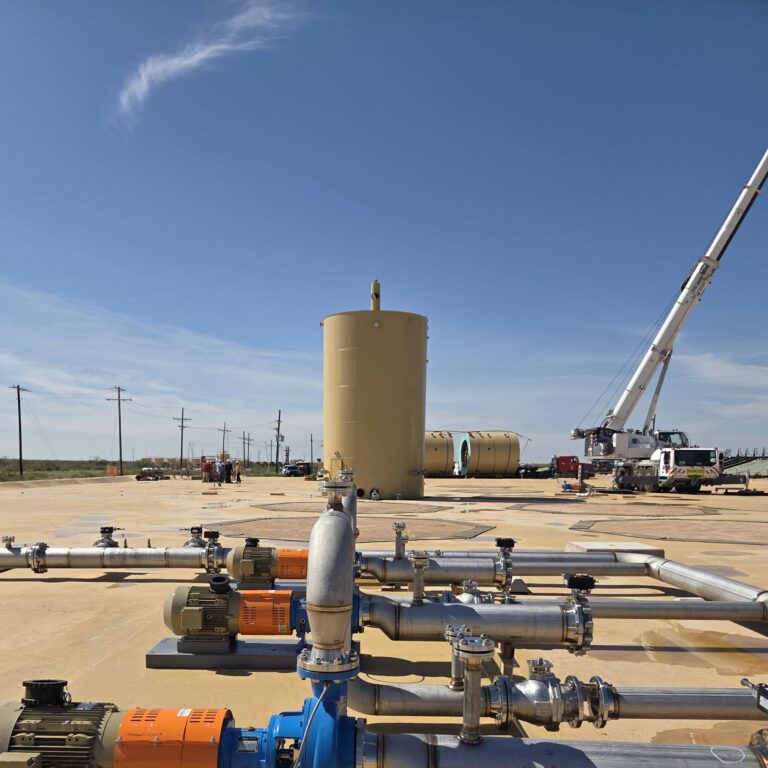
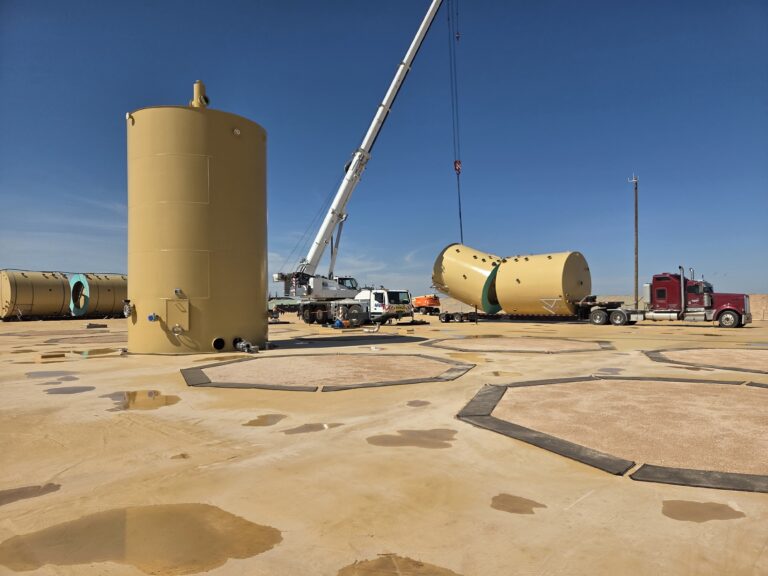
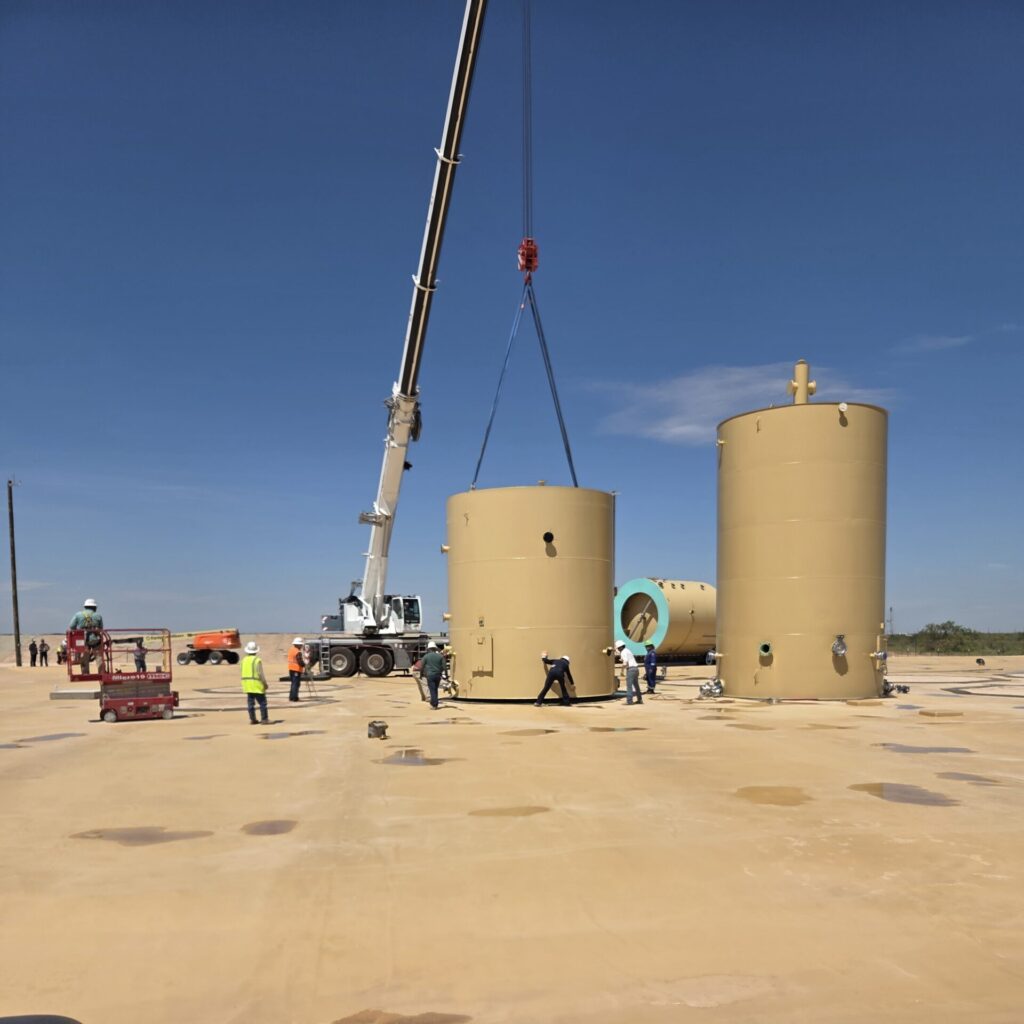
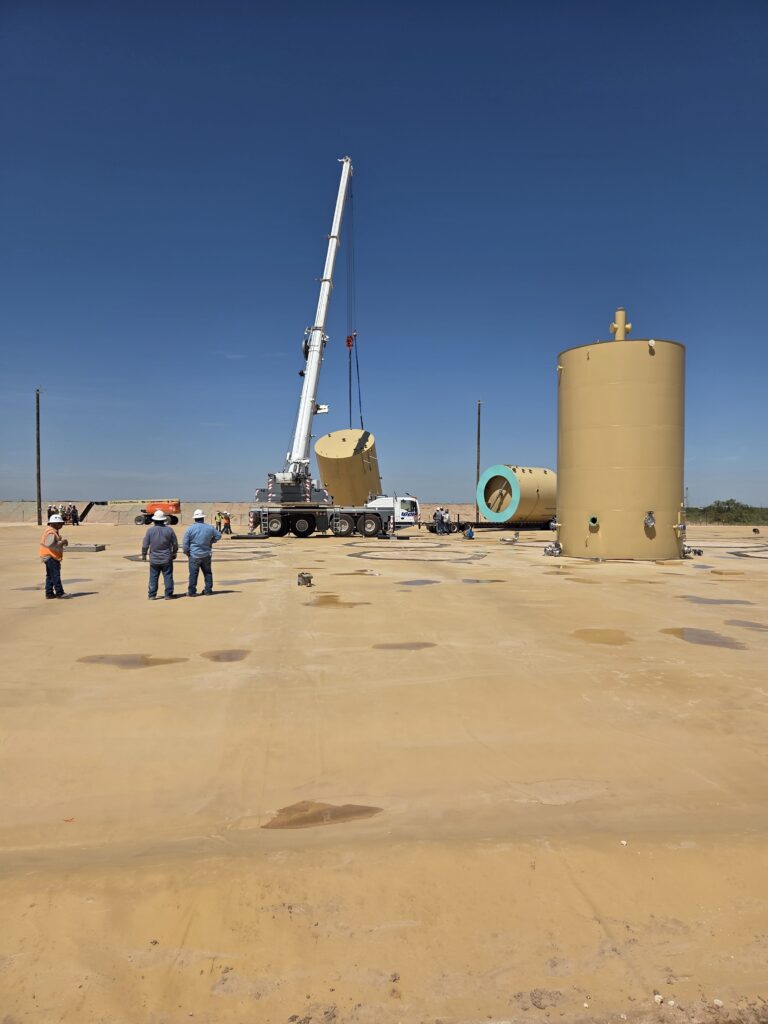
Midstream Facility Construction: Building and Expanding Produced Water and Tank Battery Infrastructure

Midstream Facility Construction: Building and Expanding Produced Water and Tank Battery Infrastructure

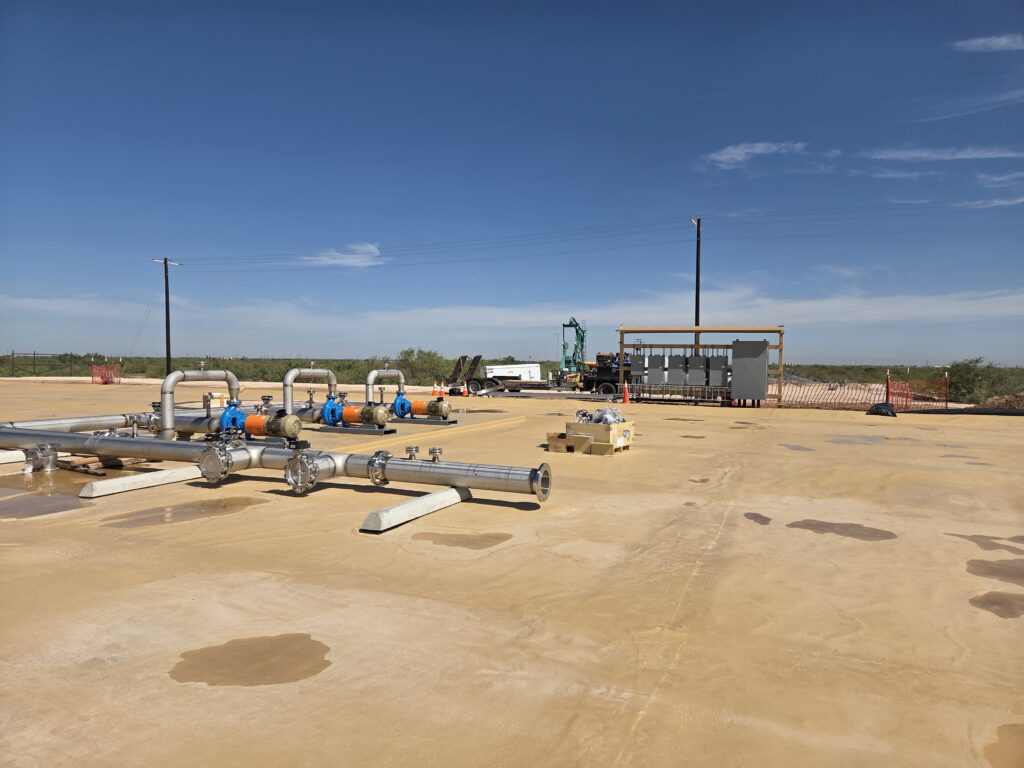
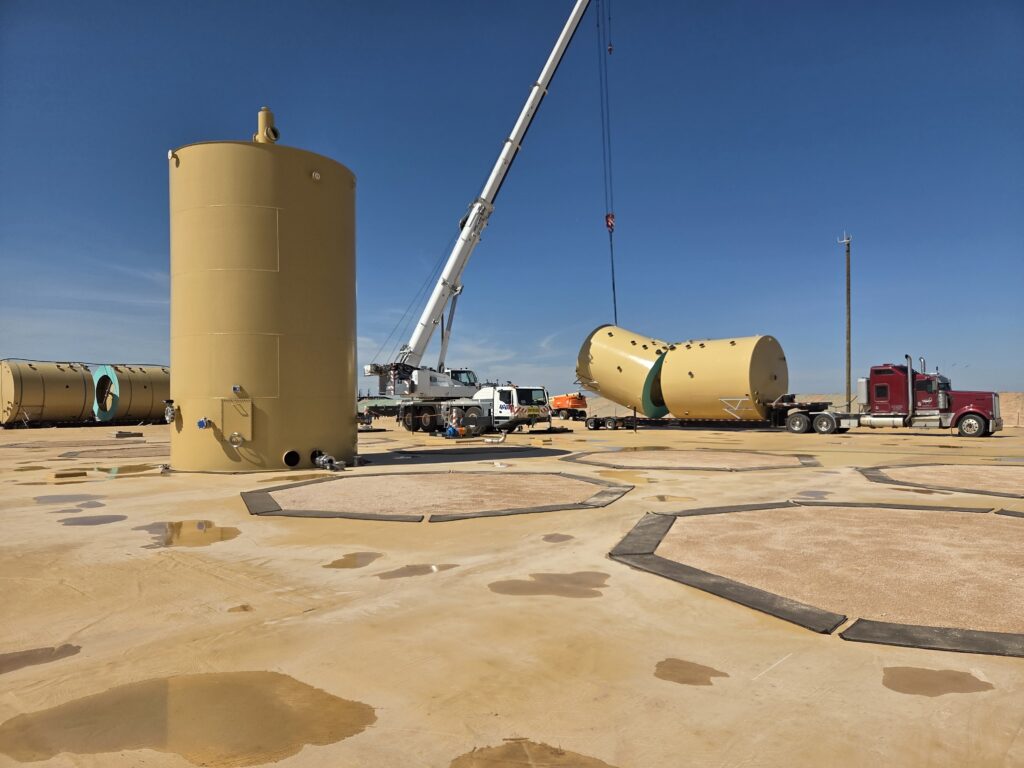
Midstream operators are expanding capacity faster than the infrastructure was built to handle. Produced water volumes are climbing, tank batteries are scaling, and existing facilities are being pushed past their original design. Meeting that demand takes more than maintenance. It takes construction.

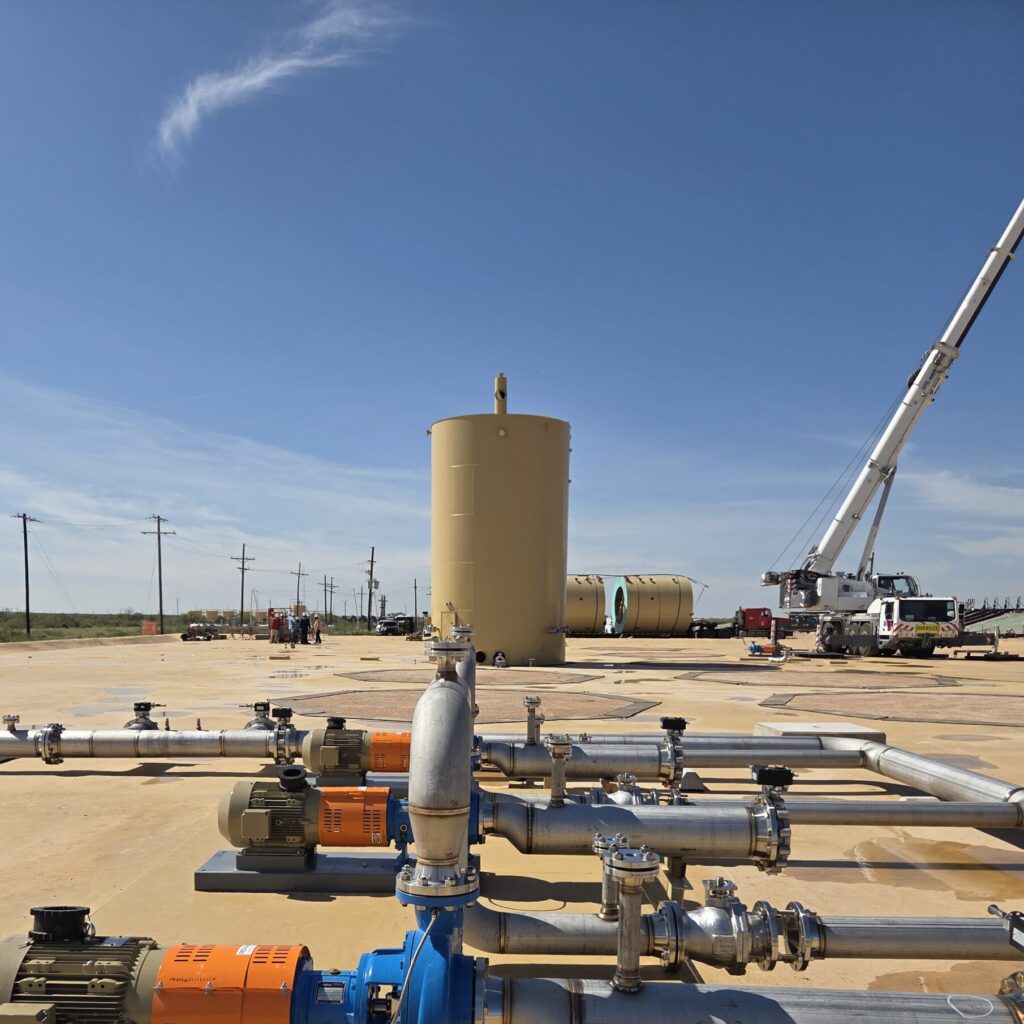
ProTorque Midstream builds and expands the facilities that keep production moving. From new produced water facilities and tank batteries to pump systems and process infrastructure, our crews execute the full construction scope on one schedule.

More than maintenance

The line between maintenance and construction is where a lot of midstream work stalls. A maintenance contractor keeps what exists running. A construction partner builds what comes next. Operators expanding capacity need both, and consolidating them with one team removes the gap where projects fall behind.

Facility construction spans civil and concrete, mechanical installation, piping, fabrication, and commissioning. Each is a discipline in its own right. Spreading them across separate contractors adds coordination overhead, and schedule risk.

Why operators consolidate construction

The cost of a facility project is rarely just labor and materials. It is coordination. Five contractors mean five schedules, five safety orientations, five points of accountability, and weeks of overhead before meaningful work begins.

One team that self-performs civil, mechanical, piping, and fabrication compresses that timeline. The schedule sits with one party. Accountability is clear. When a question comes up in the field, it gets answered without a chain of subcontractor calls.

The full construction scope

  • New produced water facility and tank battery construction
  • Facility expansion and capacity upgrades
  • Pump and piping system installation
  • Process infrastructure and equipment installation
  • Civil, concrete, and structural work
  • Commissioning support

Built to the standard operators run to

Construction quality is set long before commissioning. It is set in how the fabrication is welded, how the piping is installed, and how integrity is validated before the facility goes into service. The operators we work with hold elevated standards, and our crews are built to meet them. That is midstream construction done right: experienced people, one accountable team, and execution that holds up under real scrutiny.

If a facility build or expansion is ahead of you, bring ProTorque Midstream in at the planning stage. One team across the full scope, one schedule, one point of contact from first concrete to commissioning.

Talk to ProTorque Midstream about your next build →

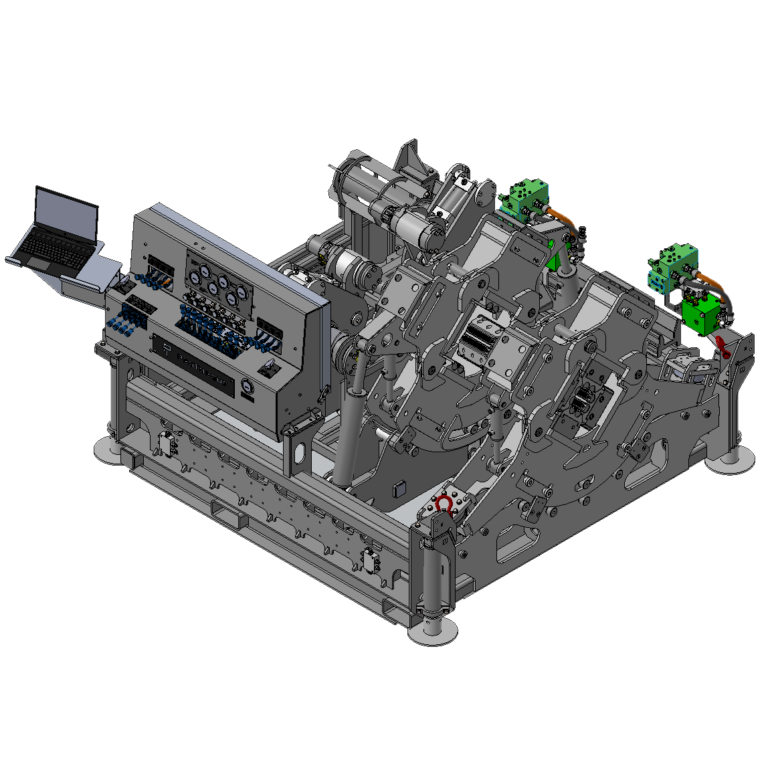
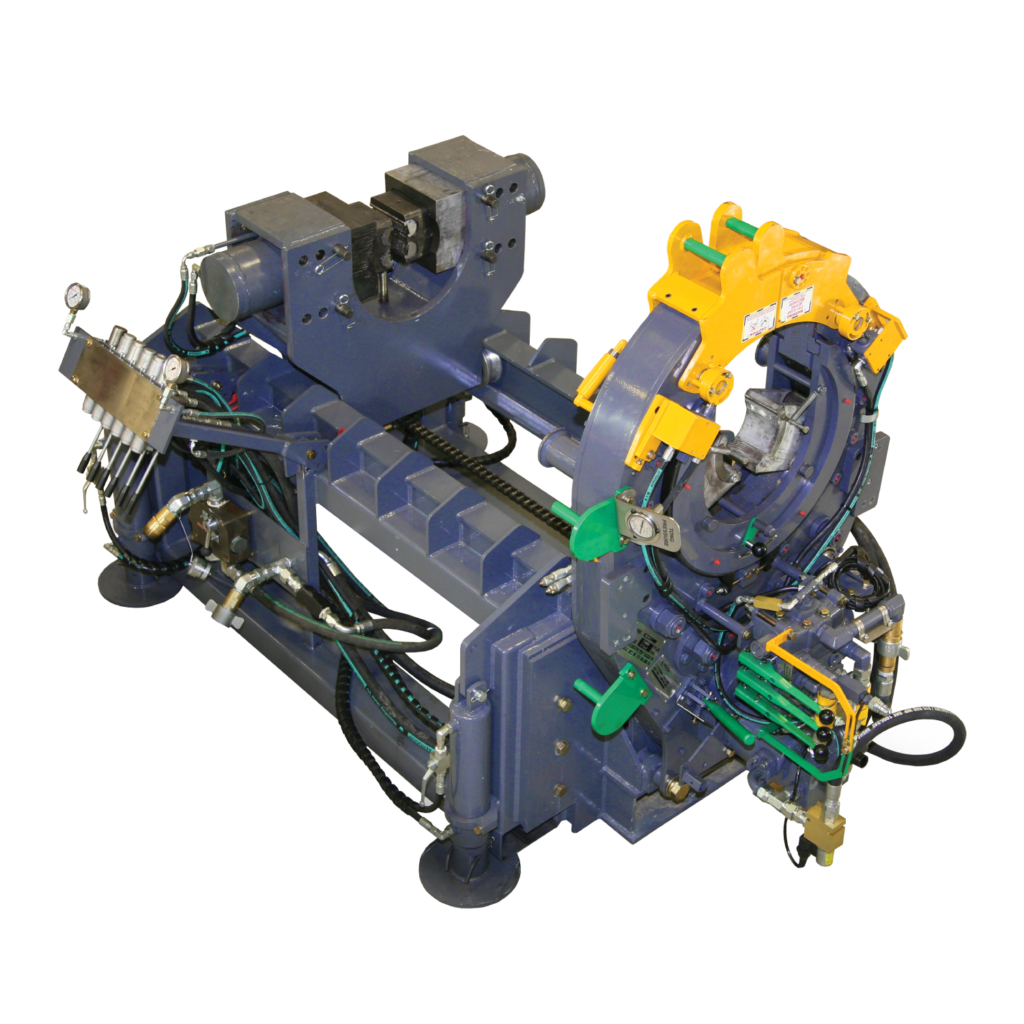
Bucking: Make and Break Off the Critical Path

bucking frame ProTorque
BHA Frame

Bucking:
Make and Break Off the Critical Path

The rig floor is the most expensive place to discover a connection problem. Every make-up performed there happens on the clock, with the critical path waiting behind it, and a connection that fights back costs rig time the moment it does.

Bucking moves that work somewhere better. Connections are made up and broken out under controlled torque, off the critical path, whether that means in the shop before dispatch or on location beside the rig. The distinction that matters is not where the unit sits. It is that the rig is not waiting while the work gets done.

What bucking covers

Bucking is the controlled make-up and break-out of threaded connections, with torque applied to spec and the work positioned where a problem costs minutes instead of rig time:

  • Casing accessories assembled in advance: float shoes, float collars, pups, hangers, and other threaded tools, made up and ready before the run needs them
  • Bottom hole assemblies built offline, in a horizontal position that lets the operator align the connection safely and reduces the chance of damage on make-up or break-out
  • Double and triple stands of drill pipe made up ahead of the run to save rig time
  • Torque monitoring on every connection, with make-up charts available on site

That last point matters. The value of bucking is not just that the work happens early. It is that every connection cycled through the unit carries a record.

Two units, two jobs

ProTorque runs two bucking configurations, and they cover different work.

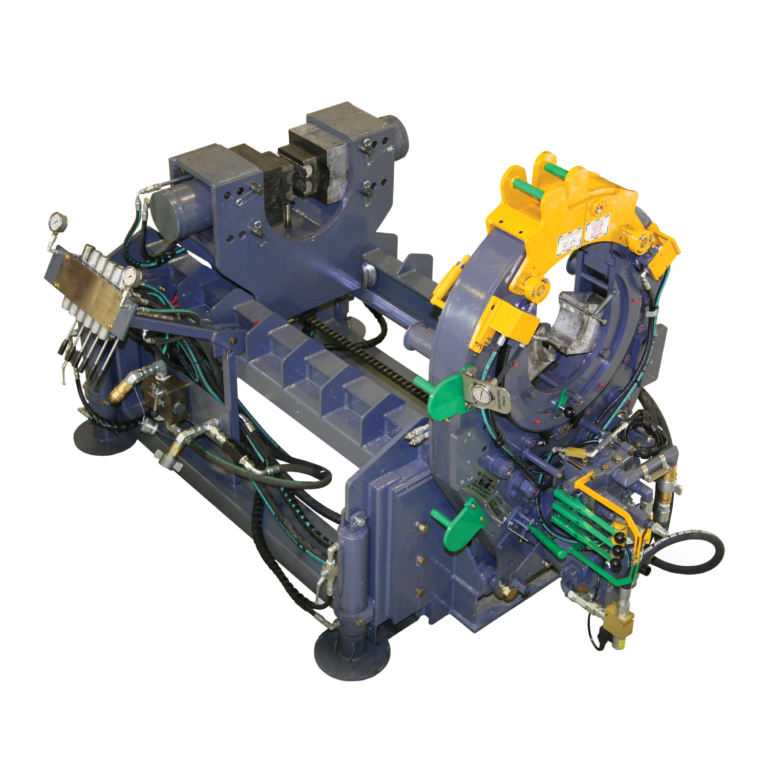
The Mobile Bucking Frame pairs with any power tong and handles the accessory scope: float equipment, pups, hangers, and threaded tools in the casing string, and frac line connections on completions work, at torques up to 50,000 ft-lb. Its compact footprint works in remote locations, and the accessory make-ups it completes are make-ups the rig floor never has to perform.


The Mobile BHA Frame brings the capability of a shop bucking unit to the wellsite in one package. A tubular spinner, hydraulic stationary backup, and torque head handle any rotary shouldered connection, on pipe from 4 1/2 to 12 inches, at up to 100,000 ft-lb. Instead of shipping individual components back and forth to a shop, the frame ships to the site and the assembly happens there, offline, off the critical path.


Shop or site, the same discipline

Some programs are best served by connections verified in the shop before anything ships. Others need the capability on location, where the well plan is still moving and the BHA gets built beside the rig. Bucking covers both. What stays constant is the controlled setting, the torque verification, and the record that follows every connection.

Why it pays

The safety case is direct: every make-up completed off the rig floor is one fewer exposure for the crew working on it. The schedule case is just as direct: pre-assembled accessories and stands are rig-floor operations removed from the critical path.

The published numbers make the point. Operators that moved surface casing running offline have documented savings around 11.5 hours per well and another 4.5 hours on offline cementing, and offline stand building has improved run rates by 30 percent or more in documented programs. Set that against a high-spec land rig at north of USD $1,100 an hour, before the spread behind it is counted, and the value of moving make-up off the critical path is not subtle. ProTorque’s own BHA frame has delivered single-application savings of up to 65 percent.

A connection that fails in the bucking unit gets set aside and dealt with on the spot. The same connection failing on the rig floor, or downhole, is a different order of cost.

How ProTorque approaches it

ProTorque runs bucking as part of its tubular programs, in the shop and on location. Connections arrive at the rig floor verified, documented, and ready to run.

Made up off the critical path. Proven before the rig needs it. That is the job.

Explore ProTorque’s Bucking services:

Mobile Bucking Frame

Mobile BHA Frame

RCD Installation Off the Rig Floor: Reduce Handling Risk and MPD NPT

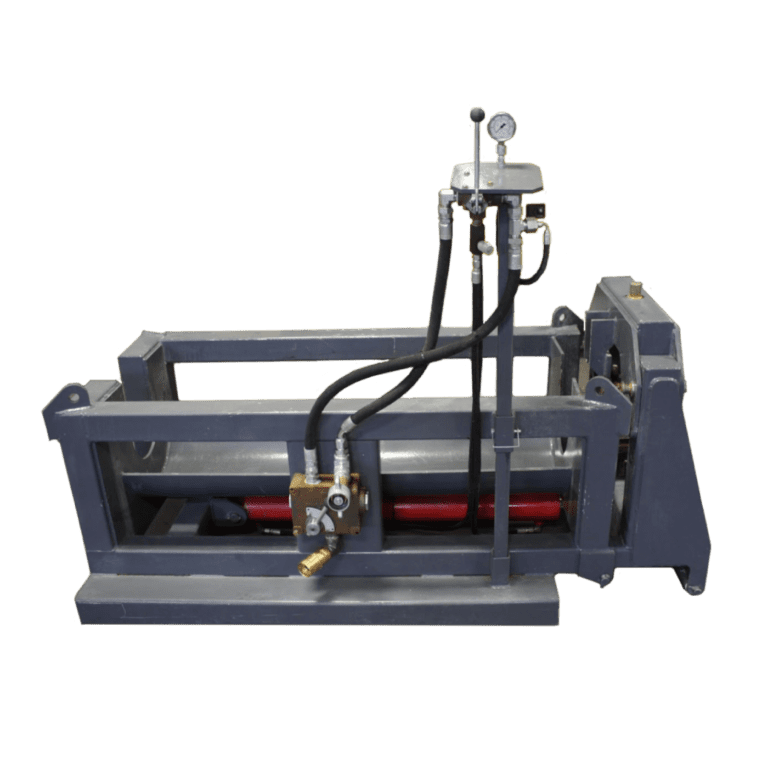
RCD Press to install and remove a Rotating Control Head

RCD Installation Off the Rig Floor

Reduce Handling Risk and MPD NPT

RCD installation is a normal part of many Managed Pressure Drilling programs, but how it is handled can change both risk and cost. Traditionally, installing or removing tubulars onto an RCD head happens on the rig floor. It works, but it often adds congestion, increases manual handling exposure, and creates non-productive time while the rig waits.

Taking this step off the rig floor is a simple workflow shift that can make a measurable difference. The goal is not to change the MPD process, it is to control when and where a high handling task occurs.

Why RCD installs create avoidable exposure

The rig floor is already a high consequence environment. Crews are managing multiple moving parts, multiple lifts, and tight sequencing. Adding an RCD installation step into the critical path can create pinch points and extra handling in a space that is already busy.

This is also where small delays get expensive. When an RCD install holds up the next step, the rig is effectively waiting, and that waiting time becomes MPD non-productive time that is hard to recover later in the day.

What changes when installation is done offline

The concept is straightforward. Instead of assembling or installing the RCD head connection on the rig floor, the work is completed in a controlled setup on the ground, outside the critical path. Once the assembly is complete, it is lifted to the rig floor and run as part of the normal sequence.

Done right, the benefits show up quickly:

  • Less congestion on the rig floor during a high handling task
  • Fewer points where crews need to work around equipment and lifts
  • Less idle time while the rig waits for a task that can be completed ahead of time

The RCD Press is designed specifically for this workflow, installing or removing a tubular onto an RCD head offline, instead of completing that step on the rig floor.

If you want the overview of the system and where it fits, you can see it here: RCD Installation

Where the time savings actually show up

Most teams think about time savings as a single number, but on an MPD job it shows up in a few predictable places:

  • Waiting time in the sequence, where the next operation cannot begin
  • Extra lifts and handling that slow transitions
  • Additional coordination time when the floor is congested and crews have to stop and reset

Even when the delay is not dramatic, the compounding effect across a program is real. That is why getting RCD installation off the critical path is valuable. It protects the schedule when the job is moving fast and it protects the crew when the floor is busy.

Onshore and offshore considerations

The value of offline installation is not limited to one environment. Onshore, it often comes down to keeping the rig moving and reducing high handling moments in the critical path. Offshore, it can be even more important because space, lift planning, and risk tolerance are tighter.

The core idea stays the same. Reduce rig floor exposure. Reduce unnecessary time in the critical path. Keep the MPD workflow clean.

How ProTorque supports the workflow

This is where field execution matters. The concept only works if it is applied consistently.

ProTorque supports RCD installation workflows by planning the sequence with the rig team and MPD stakeholders, staging the setup so it does not interfere with operations, and ensuring the assembly is ready before it becomes the next constraint. The goal is to make the install step predictable.

If you are running MPD and want to reduce rig floor handling risk while cutting MPD non-productive time, moving RCD installation offline is one of the simplest workflow upgrades you can make. Contact ProTorque today to see how we can help.

Questions we hear in the field

What does it mean to install RCDs offline

It means completing the tubular to RCD head installation or removal in a controlled setup off the rig floor, then lifting the assembly into the rig sequence when it is ready.

Does this reduce non-productive time

It can, because a step that would normally occur in the critical path is completed ahead of time, reducing waiting and congestion when the rig is ready to move.

Is this only for one type of operation

The workflow applies wherever RCD installation is required and where reducing rig floor handling and idle time is valuable, including both onshore and offshore MPD programmes.

Vacuum Drifting: A Safer, Quieter Way to Confirm Casing ID Before Running

Vacuum Drift by Protoque

Vacuum Drifting

A Safer, Quieter Way to Confirm Casing ID Before Running

Vacuum drifting is a safer way to confirm casing inside diameter (ID) before running. Instead of conventional snake-and-drift handling, the drift is moved through the tubular using controlled vacuum force. The result is the same verification step crews rely on, with less manual handling exposure and less operating noise on location.

Why drifting matters before casing is run

Every casing program depends on one basic truth: the tubular has to pass what needs to pass. Drift confirmation is a simple step with outsized consequences, because the cost of finding an ID issue late is never small. It can mean delays, extra handling, and a lot of attention on the wrong part of the job.

That is why drifting exists. It is not a box to check. It is risk management.

The challenge is that conventional drifting can create its own exposure. Traditional snake-and-drift methods introduce pinch points, awkward body positioning, and a lot of manual interaction around tubular ends. It is one of those tasks that can feel routine until something catches, binds, or shifts.

ProTorque’s approach to vacuum drifting starts with a straightforward goal: reduce manual handling exposure during casing preparation while keeping the casing ID verification step intact.

What vacuum drifting changes on location

With vacuum drifting, the drift is moved through the tubular using controlled vacuum rather than manual pull-through methods. Crews still confirm casing ID and identify deformities, but the process is designed to reduce the amount of handling required and reduce the conditions where minor issues become incidents.

It is a practical shift. The work still gets done, but in a way that supports safer execution and more consistent results.

A quieter system that supports clearer communication

Noise is often treated like a background problem on location, but it is a real operational factor. Communication and focus degrade as noise rises, especially during routine work where people are moving around the same area repeatedly.

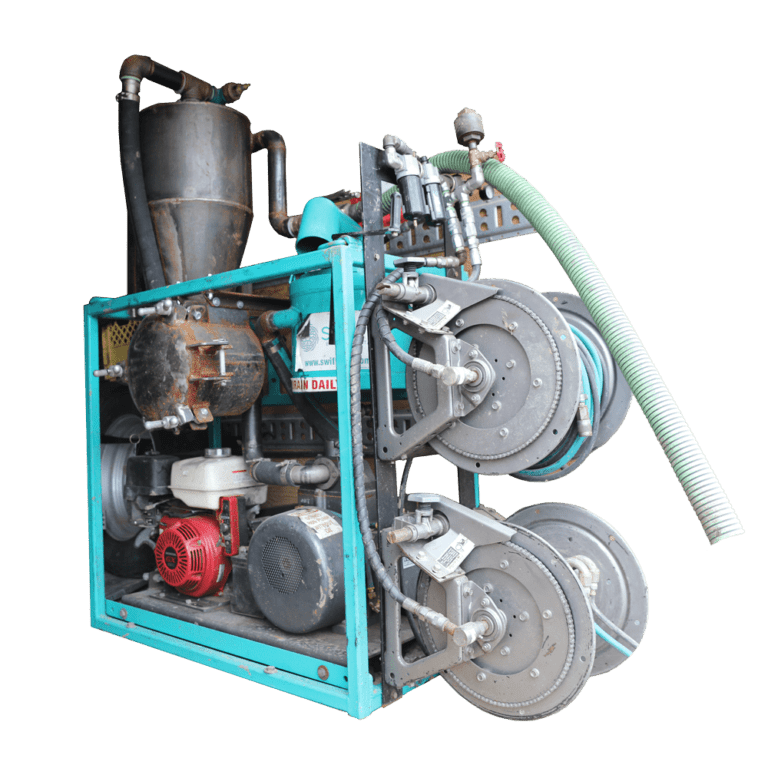
The ProTorque Vacuum Drift System is designed to reduce operating noise by using a vane pump instead of a blower, and it can generate up to 27 Hg of vacuum force. That detail matters because it signals the system is engineered for measurable performance, not just convenience.

Built for real site conditions

Casing preparation does not always happen in the most convenient place. Space, access, and workflow vary. The vacuum drift unit is designed to be mobile and usable where the work is actually happening, including longer hose runs and areas that are harder to stage.

That mobility is more than a convenience. When a tool is easy to deploy, it is more likely to be used consistently. Consistency is where safety and reliability improve.

Control when the drift does not move freely

Any drifting method has to deal with the reality that a drift can lodge in the tubular. The vacuum drift system includes an adjustable reverse function to help push the drift back if it becomes lodged.

This kind of detail prevents a routine step from turning into downtime. It also reflects a tool designed around field conditions, not perfect conditions.

Key specifications for planning and fit

For drilling supervisors and TRS managers, a few specs quickly tell you whether a system fits your program. ProTorque’s Vacuum Drift System is designed to support a wide drift range, with controlled vacuum adjustment.

Key specifications include:

  • Drift Range: 2.63 – 13.63” (66.8 – 346.2 mm)
  • Vacuum Adjustment: 0 – 27 Hg (vacuum force)
  • Size: Length 45” (1,143 mm), Width 30” (762 mm), Height 75” (1,905 mm)
  • Weight: 400 lbs (182 kg)
  • Hose Length: X2 100’
  • 165 CFM @ 1,150 RPM
  • 27 HG (Mercury units of vacuum force)
  • 13 HP Honda motor
  • Rubberized drifting ends for hoses

Where vacuum drifting fits in casing preparation

Vacuum drifting is most effective when it is treated as part of a clean, repeatable casing preparation process, not a standalone task.

In practice, drifting pairs naturally with casing cleaning and inspection work. When those steps are coordinated, casing is confirmed before it is staged for running, and crews reduce the chances of late-stage surprises on live operations.

Why this matters for HSE and drilling leadership

The value proposition is not flashy. It is practical.

Vacuum drifting supports leadership teams by reducing manual handling exposure during a routine step, improving consistency in casing ID confirmation, and maintaining clearer communication on location by reducing unnecessary noise. It also keeps the process moving by designing for real-world hang-ups instead of assuming ideal conditions.

It is one more example of a simple, engineered improvement that makes field work safer without slowing the job down.

Work with ProTorque

ProTorque supports vacuum drifting as part of its TRS service delivery across Canada and the US 

Contact ProTorque today for more information.

Hook Load + Torque Verification: Keep Your Top Drive and Iron Roughneck Honest

Hook Load + Torque Verification

Keep Your Top Drive and Iron Roughneck Honest

Why verification matters

On a modern rig, decisions happen fast. Crews make calls based on numbers they trust: torque values, hook load, and iron roughneck torque, at the driller’s console.

The problem is simple. Sensors and systems can drift over time. Components wear. Calibration can change after repairs. Software updates and configuration changes can introduce small offsets that turn into big issues once variables stack up.

Most of the time, the rig still runs. That is what makes drift dangerous. It does not always cause an obvious failure. It quietly changes the relationship between what the rig thinks is happening and what is actually happening.

Verification brings everything back to reality.

What can go wrong when numbers drift

The impacts show up first where execution matters.

  1. Connection risk increases
    When torque values are off, you can over or under torque a connection which can cause damage and reduce sealing reliability. Either way, you introduce avoidable risk and into the well and expensive repair costs.
  2. Drilling performance data becomes less useful
    All rigs rely on torque and hook load trends to spot developing problems. If the baseline is wrong, the trend becomes harder to interpret, and decision-making slows down when it should speed up. Drilling operators also rely on torque and weight on bit to optimize drilling programs.
  3. Equipment wear accelerates
    Over-torquing, unnecessary load cycling, and operating outside intended ranges all shorten equipment life. It also creates a maintenance cycle that feels random, because the root cause is hidden in the data.
  4. Troubleshooting gets slower
    When teams do not trust the readings, they troubleshoot the hard way. More calls, more second guessing, and more delays. Teams might not realize their is an issue.

Critical readings ProTorque verifies on the rig

This work is rig equipment verification focused on the measurements that drive high-consequence decisions.

Top Drive Torque Verification
We confirm that displayed torque matches measured torque and document a baseline your team can trust. When you pair accurate readings with digital monitoring like CATM, the output becomes much more valuable because your graphs and reports are built on good data.

Iron Roughneck Torque Testing
Iron roughnecks do high-consequence work every day. Iron roughneck torque testing confirms the unit is delivering what it reports, in both make-up and break-out contexts, so connection outcomes stay consistent. 

Hook Load Verification
Hook load accuracy matters for safe lifting, drilling consistency, and data confidence. Hook load verification confirms that what you see on the system reflects the real load on the travelling assembly. 

What verification looks like on location

Verification should be practical and fast. The goal is not to create paperwork. The goal is to confirm the rig is telling the truth.

Typically, it looks like a short pre-job review of recent maintenance and current readings, followed by field setup and measurement, then a comparison to displayed values and a documented summary. If an offset is found, that is still a win. You now have facts, and a clear path to correction.

When to schedule verification

Verification is most valuable when it prevents problems, not when it reacts to them.

Most operators schedule it after major maintenance, before high-consequence casing or completions work, when behaviour on the floor no longer matches what the screens are reporting, or after long periods of rig inactivity. For operators running multiple rigs, consistent verification also supports standardization across fleets, which improves drilling reliability when crews and equipment rotate.

Why this supports safety, reliability, and uptime

This is not a paperwork exercise. It is a safety and reliability control that protects connections, reduces preventable or hidden downtime, and improves confidence in the numbers used for drilling decisions.

Accurate torque and load readings help teams move faster with fewer surprises, and they reduce the chance of chasing phantom issues that are really measurement problems.

Where ProTorque supports this work

ProTorque supports verification programs across Western Canada, offshore Newfoundland, and the U.S.. The fundamentals are the same whether you are drilling a single well, running a multi-well pad, or performing a reclaim on a slot in a gravity based structure. Accurate inputs create better execution and better outcomes.

Book hook load and torque verification

If you want to confirm your top drive torque, iron roughneck output, and hook load accuracy before your next program, ProTorque can help you establish a baseline your team can trust.

Start here:

Questions we hear in the field

How long does verification take?
It depends on rig access and scope, but it is designed to be efficient and focused on actionable results.

Is verification the same as calibration?
Verification confirms accuracy. Calibration is the adjustment step if accuracy is outside an acceptable range.

How often should we verify?
A good baseline is after major maintenance and before high-consequence programs, then on a planned preventative maintenance schedule.

Contact ProTorque today for more information.

Standardized CRT Redress: Keeping Casing Runs Consistent in the Field

Standardized CRT Redress

Keeping Casing Runs Consistent in the Field

Casing running tools take a lot of abuse in the field. Heat, load, vibration, contamination, and handling all add up over the course of a job. If that wear isn’t addressed consistently, it shows up where it matters most, on the rig floor.

ProTorque’s CRT redress program is designed to eliminate variability between runs by returning every tool to a known baseline before it goes back to work. The focus is simple: predictable performance, fewer interruptions, and safer casing operations.

Every CRT that comes into the shop follows the same controlled process. Tools are fully torn down, cleaned, inspected, and measured against defined acceptance criteria. Components that fall outside spec are replaced. Critical assemblies are rebuilt using standardized parts and documented torque values. Each tool is pressure tested and function checked before release.

This level of consistency matters during casing operations. A tool that behaves differently from one run to the next forces crews to troubleshoot under load, slows connections, and increases exposure. Standardized redress reduces those variables so crews can focus on making pipe, not chasing equipment issues.

The program also supports ProTorque’s digital QA workflows. Consistent tool behavior produces cleaner torque data and more reliable run reports. When torque curves look off, supervisors can trust that the tool isn’t the unknown in the equation.

Redress records are logged and tied to tool IDs, creating a clear maintenance history that informs future inspections and helps identify patterns before they become problems. On location, crews perform a simple acceptance check before the first lift to confirm condition and configuration.

ProTorque’s CRT redress standards are used across Western Canada and US operations, supporting casing programs in Alberta, British Columbia, and the Permian Basin. Whether the job is a single well or a multi-well pad, the expectation is the same: tools that show up ready and perform the same way every time.

Re‑thinking Rig Hydraulics for TRS: Why Electric HPUs Are Replacing Diesel Units

Re‑thinking Rig Hydraulics for TRS

Why Electric HPUs Are Replacing Diesel Units

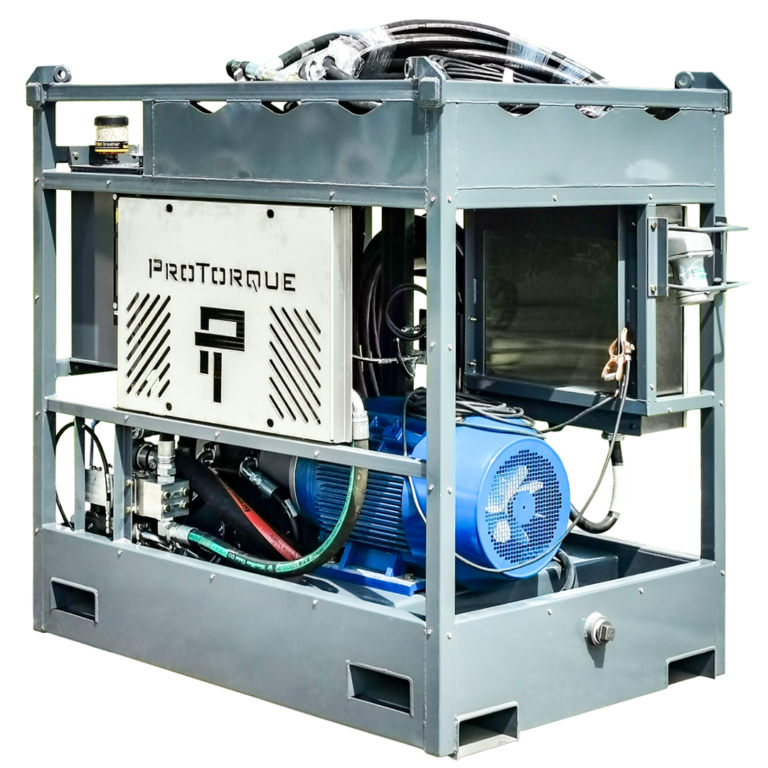
On many North American land rigs, hydraulic power still arrives on the back of a diesel truck. That engine may idle for twelve or more hours a day, burning fuel, vibrating the rig floor, and demanding regular maintenance. Electric hydraulic power units (eHPUs) offer a cleaner, quieter, and more reliable alternative. By tying into the rig’s existing electrical grid, an eHPU removes a diesel engine, a truck, and a long list of hidden costs.

For ProTorque crews, the appeal is simple: stable pressure for make‑up and break‑out, less noise on the floor, and fewer interruptions to the shift. This aligns with our focus on safety culture, maintenance discipline, and equipment reinvestment that reduces exposure and unplanned downtime.

Why operators and TRS supervisors are making the switch

Lower fuel spend
A diesel HPU typically consumes 18–25 litres per operating hour. Replacing that engine with an eHPU can cut annual fuel use by up to 90%, depending on generator efficiency and duty cycle.

Fewer maintenance delays
Diesel engines carry filters, belts, injectors, and turbos. An eHPU relies on an electric motor and a variable‑frequency drive, both of which run for thousands of hours with routine inspections only.

Quieter, safer rig floors
Removing a high‑idle engine typically drops floor noise by 8–10 dB. Crews communicate more easily, and reduced exhaust heat lowers hot‑work exposure near the power pack.

ESG that helps operations
Every barrel of diesel avoided lowers Scope 1 emissions. Quieter decks and fewer refuels reduce exposure for everyone on site.

Where eHPUs help TRS specifically

  • More consistent make‑up: Smooth power delivery reduces pressure spikes that trip protections on tongs and CRTs and slow the connection.

  • Cleaner data: Digital telemetry from the eHPU can support computer‑analyzed torque monitoring so run reports match what happened on the floor.

  • Less floor congestion: Removing a truck‑mounted HPU frees cellar or pipe‑rack real estate, easing moves on crowded multi‑well pads.

Typical deployment snapshot

Metric

Diesel HPU

Electric HPU

Fuel use

20 L per hour

2 L per hour*

Service interventions

1.5 / 100 rig days

0.4 / 100 rig days

Noise at driller’s console

88–90 dBA

78–80 dBA

CO₂e reduction

—

≈ 25 t per rig per month

*Power drawn from rig generators, expressed as diesel equivalent.

Key design elements that matter on location

Plug‑and‑play skid footprint
The eHPU drops into the same space the diesel unit occupied. No structural rework; bolt to existing sub‑base mounts.

Variable‑frequency drive (VFD)
The motor sees only the load required. Pressure rises quickly during make‑up and backs off at idle, avoiding energy waste.

Digital telemetry
Built‑in sensors stream flow, pressure, and temperature to the driller’s console and to remote dashboards for proactive maintenance and cleaner post‑run reporting.

Temperature control
Integrated heaters and coolers keep hydraulic oil in the ideal viscosity window from
−40 to +50 °C.

Choosing the right projects for an eHPU

  • High diesel costs or long fuel hauls: Fewer deliveries, lower spill risk, immediate savings.

  • Strict sound or emissions limits: Many leases cap noise or mandate lower GHG output; an eHPU checks both boxes.

  • Remote pads with limited maintenance access: Less mechanical complexity, fewer unplanned shutdowns.

  • Pad drilling with tight space constraints: Removing a truck frees space and simplifies rig moves.

  • Sites with stringent spill‑prevention plans: Eliminating a diesel engine and saddle tanks reduces on‑site hydrocarbon inventory.

Implementation best practices

1) Load study first
Audit generator capacity. Most modern rigs have reserve power once mud pumps are idle.

2) Phased rollout
Retrofit one or two rigs, capture fuel and maintenance data for six months, then expand.

3) Crew orientation
Even with “plug and pump” simplicity, walk electricians and mechanics through start‑up, VFD settings, and shut‑down before the first run.

4) Data tracking from day one
Record diesel savings, noise readings, pressure stability, and maintenance hours. Clear numbers de‑risk the capital decision.

5) Safety integration
Fold the eHPU into toolbox talks and pre‑task plans. This reinforces the safety culture and maintenance standards the team is emphasizing for 2026.

Beyond compliance: tangible operational gains

An eHPU is more than an environmental upgrade. Crews notice the quieter workspace on day one. Maintenance staff appreciate fewer filter changes and no diesel spill paperwork. Supervisors see fewer interruptions and cleaner reports. These wins add up quickly when multiplied across a fleet.

Looking ahead

Electric HPUs are already standard on several high‑spec walking rigs. As more operators adopt low‑emission technologies, the diesel HPU is likely to become a legacy item. Whether your goal is to hit corporate targets or to remove one more truck from the lease road, an eHPU delivers measurable value from the first shift.

Interested in seeing how an eHPU fits your program?
ProTorque can provide a field‑ready assessment, projected fuel and emission savings, and a deployment plan that aligns with your drilling calendar. Contact us today.

Clearing the Way: ProTorque’s Pipeline Maintenance and Mowing Crews

Clearing the Way

ProTorque’s Pipeline Maintenance and Mowing Crews

Maintaining pipeline infrastructure is about more than just the steel in the ground – it also involves managing the environment around the pipeline. Overgrown vegetation or blocked access along a pipeline right-of-way (ROW) can hinder inspections, delay repairs, and even pose safety risks. A clear, unobstructed ROW “enables operators to safely operate, patrol, inspect, maintain, and repair their pipelines”. Recognizing this, ProTorque Energy Midstream (PTEM) has expanded its pipeline maintenance capabilities to include dedicated ROW clearing and mowing crews. By integrating vegetation management with traditional pipeline maintenance, PTEM helps midstream operators improve compliance, reliability, and efficiency across their pipeline systems – especially in active regions like the Permian Basin where extensive gathering networks require vigilant upkeep.

Comprehensive Pipeline Maintenance Services

ProTorque’s midstream team delivers end-to-end pipeline maintenance, now bolstered by our in-house mowing crews. We handle routine and remedial tasks such as pipeline repairs, integrity digs, hot tapping live lines, and corrosion mitigation, as well as right-of-way upkeep and site restoration. Key offerings under our pipeline maintenance portfolio include general oilfield maintenance, pipeline repairs and rehabilitation on existing lines, integrity digs, and even specialized services like hot taps on lines up to 30” and certified welding for high-pressure pipelines. The addition of ROW clearing and mowing to this list means PTEM can ensure the pipeline corridor is as well-maintained as the pipeline itself. Our crews are equipped to clear brush, mow vegetation, and remove obstructions along pipeline routes, working safely around pipeline markers and facilities.

By covering this full scope internally, PTEM serves as a one-stop solution for pipeline operators. Instead of coordinating separate contractors for excavation, welding, and mowing, clients can rely on a single, accountable partner. This integrated approach not only streamlines logistics but also tends to reduce overall maintenance timelines and costs. For example, our team can schedule vegetation clearing in tandem with pipeline repair work or inspections, so that access is assured when maintenance crews arrive – preventing delays. Moreover, handling ROW maintenance in-house provides margin expansion opportunities that allow us to invest further in training and equipment, ultimately enhancing service quality and value for our customers.

Right-of-Way Clearing: Safety, Compliance, and Reliability

Keeping pipeline rights-of-way clear is critical to safe and compliant operations. Tall grass, brush, or trees along a pipeline can conceal potential problems and impede emergency response. By regularly mowing and clearing the ROW, ProTorque ensures pipelines remain visible and accessible. This has several concrete benefits:

  • Enhanced Safety & Reliability: Clearing the ROW improves access for maintenance and emergency crews. In the event of a leak or other incident, responders can reach the pipeline quickly without battling dense vegetation. With clear access, routine maintenance and repairs can be performed in a safe and efficient manner, and that it’s not possible to expeditiously clear trees during an emergency – underscoring the importance of keeping the corridor clear ahead of time. A well-maintained ROW also reduces the risk of pipeline damage from root intrusion or concealed third-party activity. In fact, an unobstructed line of sight to pipeline markers helps deter unauthorized digging – vital given that third-party “hits” are the number one cause of pipeline damage in the United States. By mowing and removing encroaching vegetation or debris, we protect the pipeline’s integrity and the surrounding community.

  • Regulatory Compliance: U.S. pipeline safety regulations require operators to routinely patrol and inspect their lines, which is only feasible if the ROW is maintained. Federal guidelines explicitly mandate regular patrols “within an appropriately cleared right-of-way”, and a clear ROW enables safer overflights for leak detection as well as effective on-foot inspections. Vegetation management is thus not just best practice but often a compliance necessity. Our mowing crews help clients meet PHMSA and state requirements by keeping the corridor clear for these inspections and surveys. By entrusting PTEM with ROW upkeep, operators can be confident they are always “inspection-ready” and adhering to the standards that prevent fines or shutdowns.

  • Efficient Operations & Scheduling: Integrating mowing with pipeline maintenance improves overall operational efficiency. We plan ROW clearing as a proactive maintenance task, which helps avoid last-minute scrambles to cut overgrowth before an inspection or repair job. The result is better schedule adherence – pipeline surveys and repairs can occur on time, without waiting on a separate vegetation crew. This coordinated approach also means fewer site visits and mobilizations; a single PTEM crew can perform multiple maintenance activities in one trip, saving downtime and reducing disruption to landowners. Ultimately, a well-kept ROW keeps the pipeline in plain sight and running smoothly, supporting consistent throughput and minimizing unexpected outages.

Delivering Value Through Integrated Field Services

By expanding our pipeline maintenance program to include ROW clearing and mowing, ProTorque Energy Midstream offers more holistic support to pipeline operators. Clearing brush and mowing rights-of-way might seem like routine work, but it has a big impact on pipeline performance and longevity. Our clients in Texas and beyond have found that combining these services under one roof translates into fewer headaches and more reliable operations. They get the benefit of PTEM’s energy infrastructure expertise applied not only to the pipe and equipment, but also to the surrounding environment that protects that infrastructure.

This expanded capability also reinforces our commitment to operational excellence. Every mowing crew operates with the same safety and quality ethos that defines all PTEM services – from using equipment that prevents sparks in dry, flammable conditions, to carefully planning each clearing job to avoid unnecessary disturbance. The payoff is apparent in smoother project execution and improved margins for all parties: we complete jobs more efficiently, and our customers avoid costly delays or compliance issues.

Whether it’s a scheduled pipeline patrol, a new tie-in installation, or seasonal vegetation control, ProTorque’s integrated pipeline maintenance and mowing teams are ready to get the job done safely and on schedule. By literally “clearing the way,” we help midstream operators focus on moving product and meeting their targets, confident that their pipeline corridors are well-managed and compliant year-round.